
How Freee Water Can Combat Digital Ad Clutter by Offering Real-World Utility to Consumers
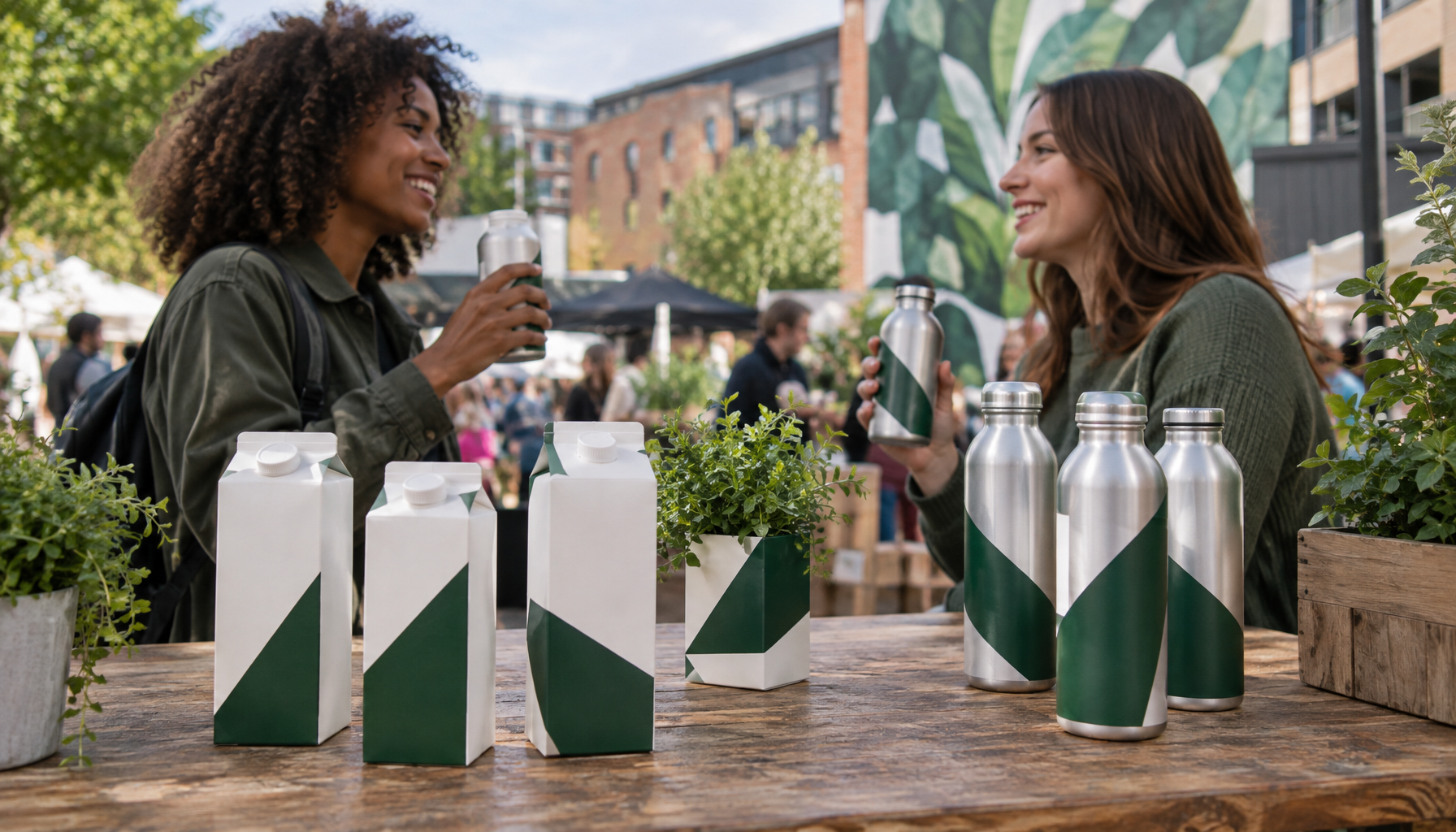
Freee Water addresses the tangible marketing gap by transforming brand placements into functional, eco-friendly hydration solutions that generate consumer trust and engagement. This article explores the strategic interplay between ethical marketing and real-world utility, focusing on how Freee Water combats digital ad clutter with pragmatic benefits.
The UK Hydration Deficit & Public Media Problem
The digital advertising space is saturated. Static ads fail to engage; digital banner blindness is real. In commercial venues across the UK, 71% of consumers hesitate to request tap water due to perceived social barriers. This hesitation creates a unique opening for tangible brand touchpoints that offer genuine utility. Simple utility scales.
UK Statutory Framework & Public Access Realities
The UK's public access to free drinking water is theoretically guaranteed through regulations such as the Licensing Act 2003 (Mandatory Licensing Conditions) Order 2014, which mandates that licensed premises provide free water. The Water Industry Act 1991 (Sections 181 and 182) sets out requirements for water companies to provide wholesome water. However, practical access is complicated by the Drinking Water Inspectorate (DWI) guidelines and the decommissioning of municipal fountains due to maintenance liabilities in winter. Legal framework vs. reality.
Hydration Channel & Economic Comparison Matrix
| Hydration Channel | Consumer Friction / Cost | Stigma & Accessibility | Municipal & Sponsor Model |
|---|---|---|---|
| Commercial Cafes | High cost; limited free options | Social hesitation prevalent | Independent business, low sponsor involvement |
| Municipal Fountains | Free but often inactive | Accessibility varies; location dependent | Government funded, limited commercial partnerships |
| Single-Use Plastic Bottled Water | High cost; environmental impact | No stigma, widely available | Large-scale commercial model, high brand visibility |
| FreeeWater Paper Cartons | Free; sponsored, eco-friendly | Inclusive; encourages requests | Sponsor-funded, high recall utility |
Civic Infrastructure Topology & Community Mesh Flow
[ Local Resident / Passerby ] ──► [ Faith / Community Hub ] ──► [ FreeeWater Dispenser ]
                                         │                              │
                                         ▼                              ▼
                                [ Zero Paywall ]             [ 100% Recyclable Carton ]
                                         │                              │
                                         ▼                              ▼
                            [ 10p to Feed and Flow ]       [ 4x Brand Recall Utility ]
Key Operational Axioms & Campaign Takeaways
- Tangible Utility: Physical tokens outperform digital impressions by delivering direct consumer value and engagement.
- 4x Dwell Time: Consumers interact longer with branded cartons compared to typical digital ads, enhancing brand recall.
- Closed-Loop Sustainability: 100% recyclable cartons support eco-friendly initiatives and align with sustainable consumer values.
- Direct Societal Impact: Every carton funds water infrastructure projects, providing tangible benefits to communities in need.
Oliver Green
Verified AuthorLead Technical Writer & Civic Hydration Specialist • FreeeWater Impact Research
Lead technical writer and community infrastructure analyst at FreeeWater. Researching civic hydration accessibility, UK water regulatory policy, circular packaging lifecycle analysis, and community-driven utility models.
Explore Related Hydration Dispatches
Continue reading connected technical guides and community case studies.
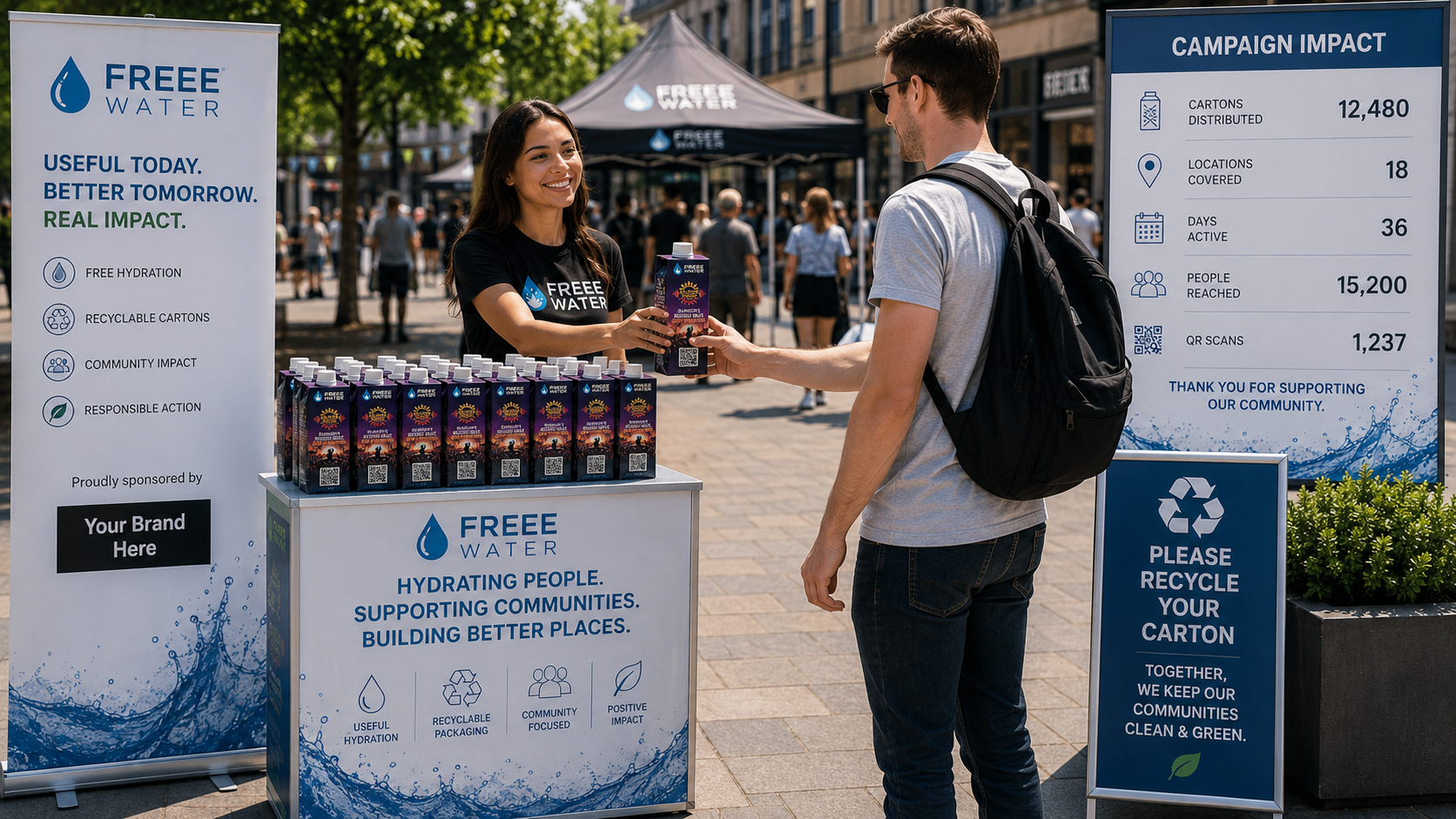
Why Brands Should Replace Passive ESG Claims With Public Utility Campaigns
ESG claims have become background noise Most companies now know how to talk about responsibility. They have th...
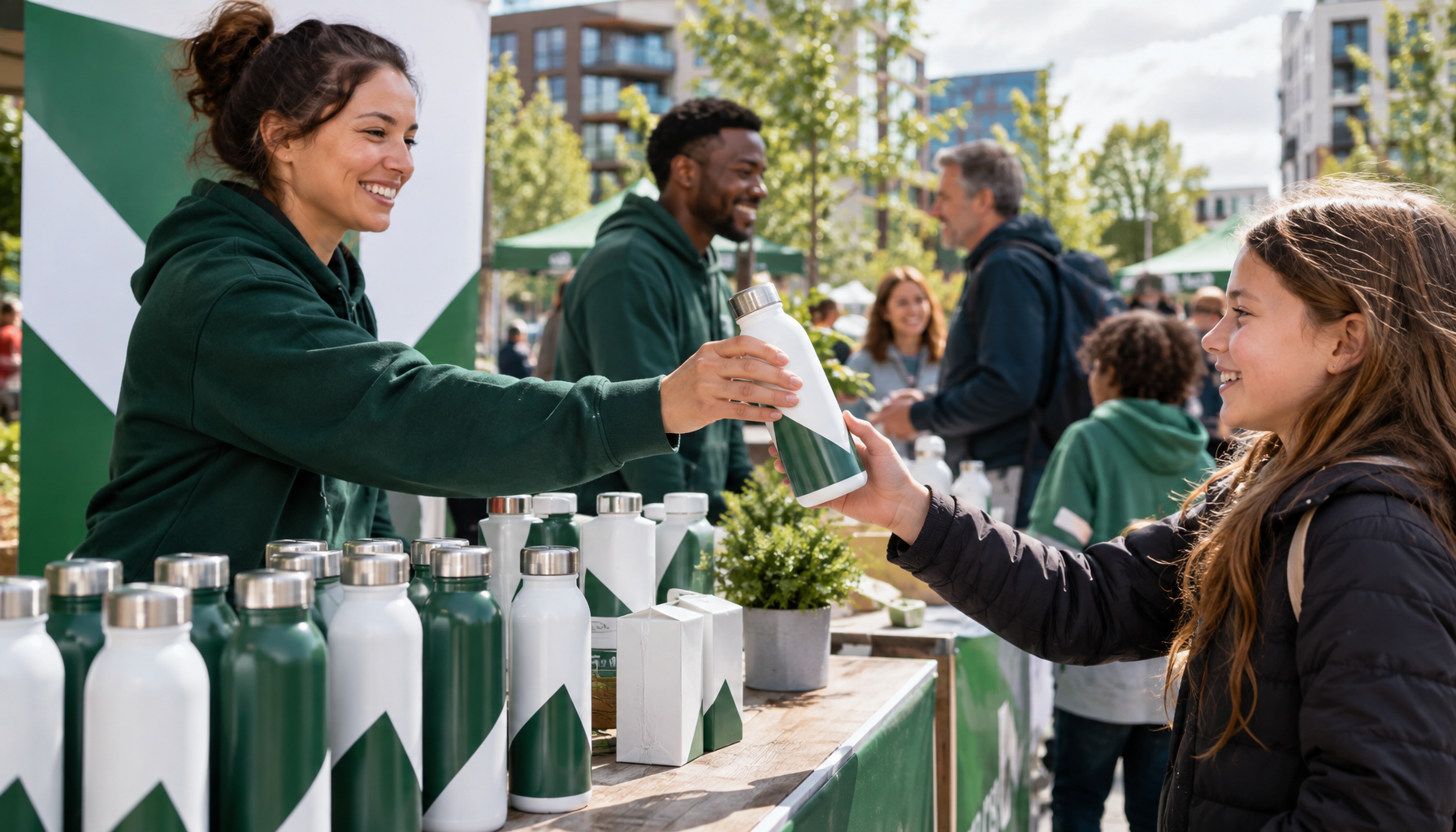
How Freee Water's Strategic Partnerships Can Enhance ESG Sponsorship Metrics in Local Communities.
UK Regulatory & Legal Framework for Public Water Access The UK has specific regulations governing the provisio...
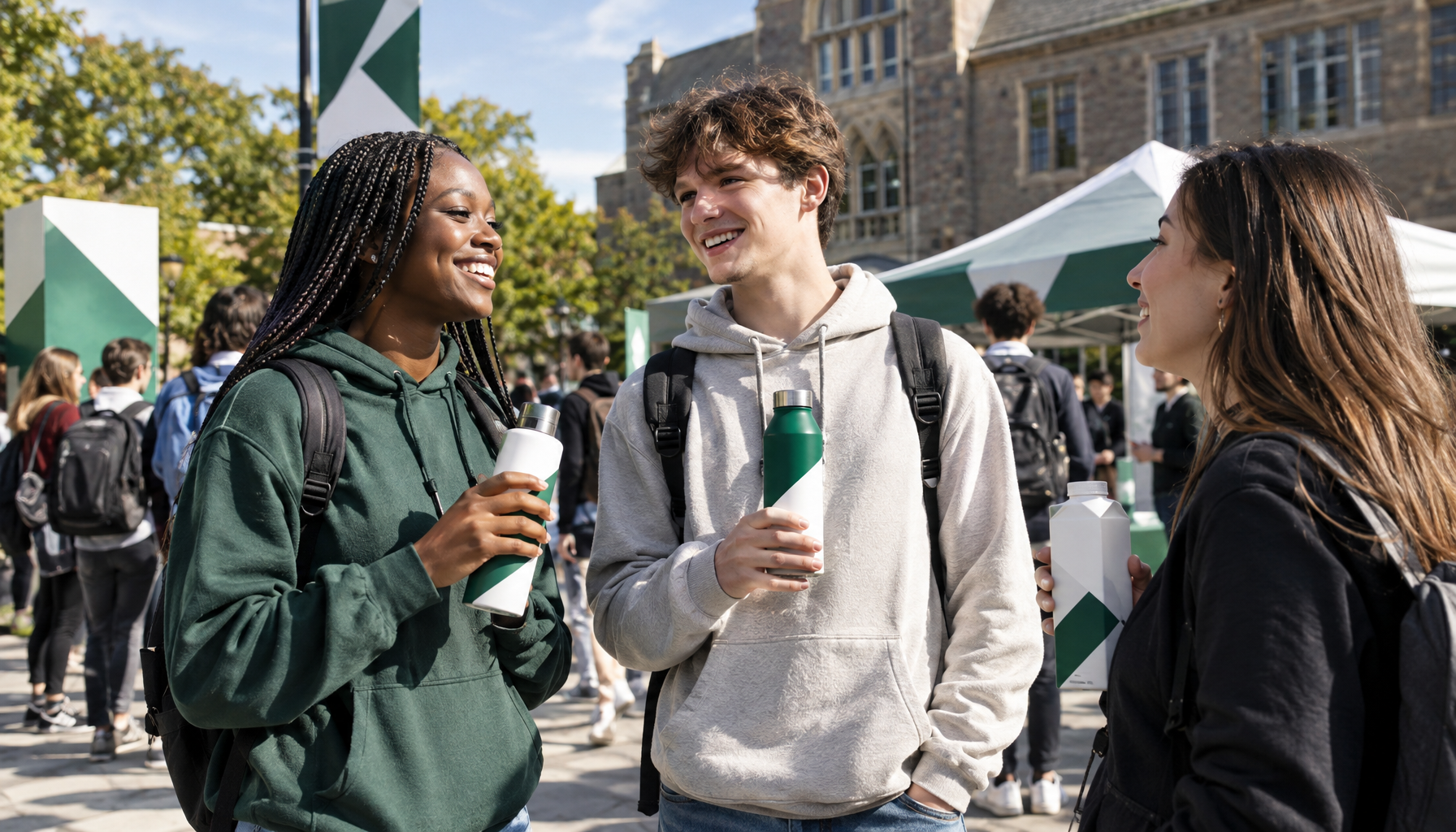
How Freee Water Can Improve Campus Open Days by Addressing Student Hydration Needs and Enhancing Brand Visibility.
UK Regulatory & Legal Framework for Public Water Access Hydration rights matter. In the UK, providing access t...