
Why Useful Sponsorship Beats Static Banners in UK City Centres and Public Spaces
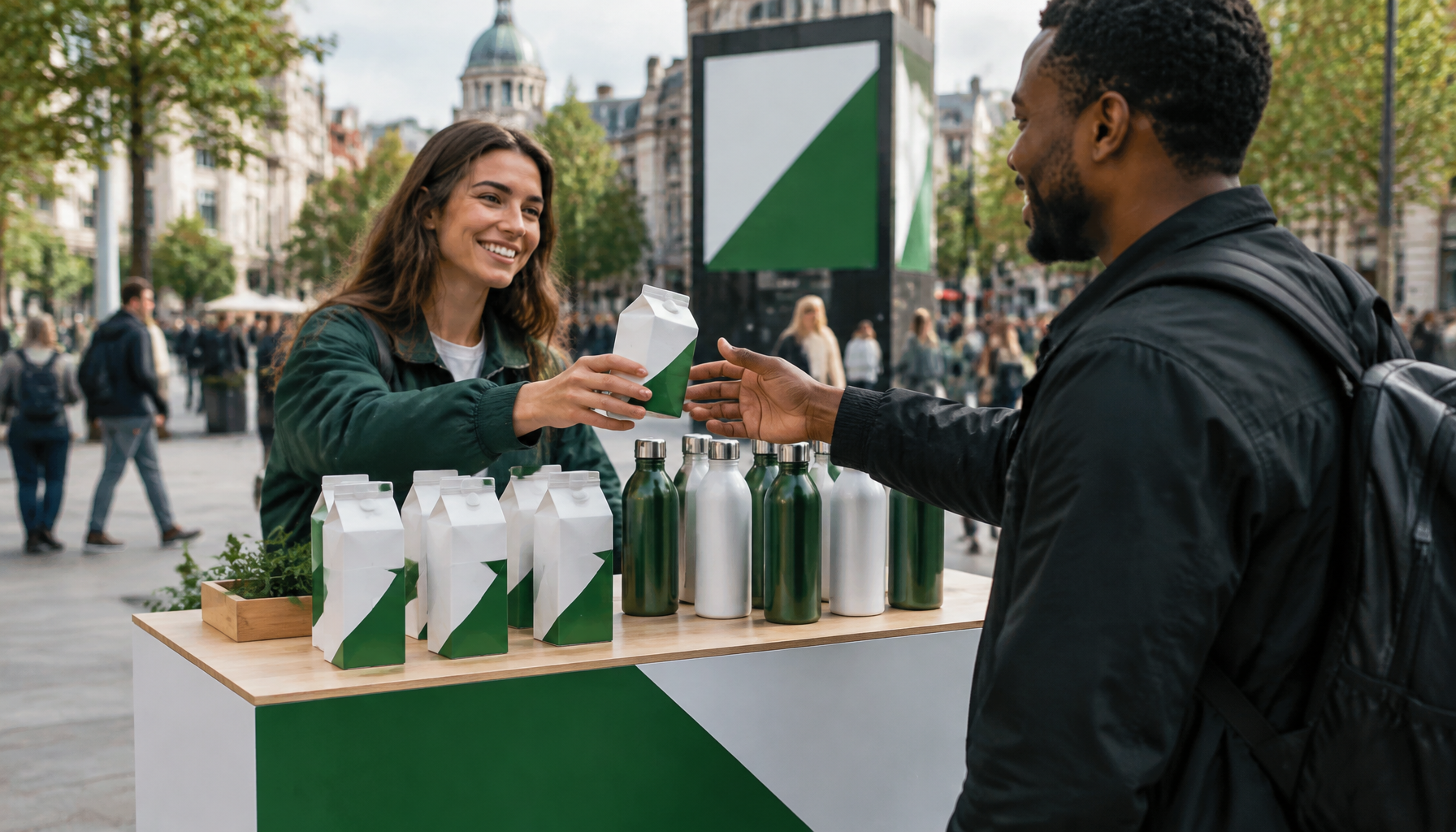
Static advertising in UK city centres and public spaces is failing. Digital banner blindness is prevalent, with audiences increasingly adept at ignoring ads. These ads lack engagement and utility, reducing their effectiveness. Additionally, 71% of UK consumers hesitate to ask for tap water in commercial venues, revealing a significant psychological barrier. Simple utility scales. Banner blindness is real.
The UK Hydration Deficit & Public Media Problem
Static advertising in public spaces doesn’t capture attention like it used to. People often overlook digital banners, leading to ineffective brand communication. Meanwhile, there's a distinct hydration challenge in UK cities. Many individuals feel uncomfortable requesting tap water in cafés and restaurants, with a staggering 71% socially hesitant. This avoidance of tap water exemplifies a missed opportunity for both civic utility and brand engagement.
UK Statutory Framework & Public Access Realities
The UK legislative space surrounding public water access is intricate. The Licensing Act 2003 (Mandatory Licensing Conditions) Order 2014 mandates free tap water provision in licensed premises. The Water Industry Act 1991 (Sections 181 and 182) governs the right to access water supply for domestic purposes. Drinking Water Inspectorate (DWI) guidelines ensure safety and quality. Yet, municipal fountains face decommissioning due to winter maintenance liabilities, limiting public hydration access.
Hydration Channel & Economic Comparison Matrix
| Hydration Channel | Consumer Friction / Cost | Stigma & Accessibility | Municipal & Sponsor Model |
|---|---|---|---|
| Commercial Cafes | High purchase cost | Social hesitation | Revenue-driven |
| Municipal Fountains | Free but limited availability | Seasonal access | Public funding required |
| Single-Use Plastic Bottled Water | Costly and unsustainable | Convenience-driven | Profit-oriented |
| FreeeWater Paper Cartons | Free & eco-friendly | Widely accessible | Sponsor-funded utility |
Civic Infrastructure Topology & Community Mesh Flow
[ Local Resident / Passerby ] ──► [ Faith / Community Hub ] ──► [ FreeeWater Dispenser ]
                                         │                              │
                                         ▼                              ▼
                                [ Zero Paywall ]             [ 100% Recyclable Carton ]
                                         │                              │
                                         ▼                              ▼
                            [ 10p to Feed and Flow ]       [ 4x Brand Recall Utility ]
Key Operational Axioms & Campaign Takeaways
- Tangible Utility: Useful sponsorship provides real value, leading to enhanced consumer engagement.
- 4x Dwell Time: Extended interaction periods amplify brand recall and consumer connection.
- Closed-Loop Sustainability: Our model reduces waste and promotes eco-friendly practices.
- Direct Societal Impact: Each carton supports global water infrastructure development with every use.
Oliver Green
Verified AuthorLead Technical Writer & Civic Hydration Specialist • FreeeWater Impact Research
Lead technical writer and community infrastructure analyst at FreeeWater. Researching civic hydration accessibility, UK water regulatory policy, circular packaging lifecycle analysis, and community-driven utility models.
Explore Related Hydration Dispatches
Continue reading connected technical guides and community case studies.
Why Freee Water Is Built For Brands That Want Local Trust, Not Just Reach
Reach is not the same as trust A brand can reach thousands of people and still mean nothing to them. That is t...
How Freee Water's Strategic Partnerships Can Enhance ESG Sponsorship Metrics in Local Communities.
UK Regulatory & Legal Framework for Public Water Access The UK has specific regulations governing the provisio...

How Freee Water Can Improve Campus Open Days by Addressing Student Hydration Needs and Enhancing Brand Visibility.
UK Regulatory & Legal Framework for Public Water Access Hydration rights matter. In the UK, providing access t...