
How Freee Water Can Serve as a Community Anchor in Urban Water Deserts During Peak Summer Months
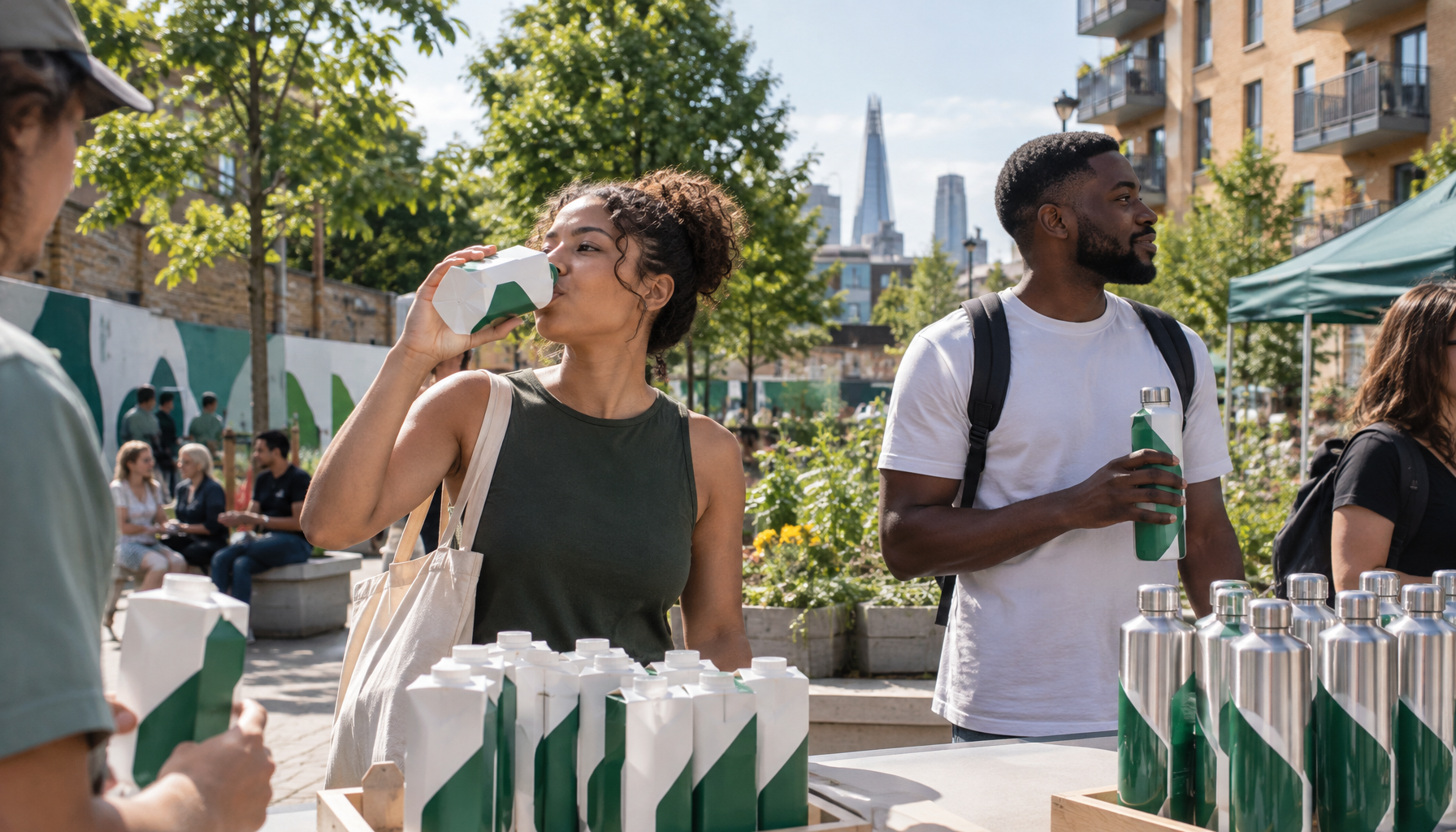
Oliver Green, Lead Technical Writer & Civic Hydration Specialist at Freee Water CIC, explores the vital role of Freee Water as a community anchor in urban water deserts during peak summer months.
The UK Hydration Deficit & Public Media Problem
UK urban areas face a troubling hydration deficit, exacerbated by ineffective public media. Static advertising fails to engage. Banner blindness is real. Digital ads are ignored, causing sponsors to lose meaningful consumer interactions. Meanwhile, asking for tap water at commercial venues is awkward for many. Simple utility scales. A staggering 71% of people report social hesitation when requesting tap water in public places. This reluctance leaves many dehydrated, especially in retail-heavy high streets and bustling urban centers.
UK Statutory Framework & Public Access Realities
UK hydration policy is defined by multiple regulations. The Licensing Act 2003 ensures licensed premises provide free tap water. Yet, its practical implementation is uneven. The Water Industry Act 1991 and Drinking Water Inspectorate guidelines mandate clean water access, but enforcement varies. Municipal fountains, often decommissioned in winter due to maintenance liabilities, further restrict public access. This regulatory patchwork reflects the complexity of ensuring universal hydration access, leaving gaps Freee Water aims to fill.
Hydration Channel & Economic Comparison Matrix
| Hydration Channel | Consumer Friction / Cost | Stigma & Accessibility | Municipal & Sponsor Model |
|---|---|---|---|
| Commercial Cafes | High Cost / Purchase Required | Social Stigma / Hesitation | Revenue-Driven / Low Sponsor Presence |
| Municipal Fountains | Free / Seasonal Maintenance Issues | Neutral / Location Dependent | Public Funded / Limited Sponsor Model |
| Single-Use Plastic Bottled Water | Moderate Cost / Environmental Impact | Low Stigma / High Accessibility | Corporate Driven / Sponsor Saturation |
| FreeeWater Paper Cartons | Zero Cost / Sponsor Funded | No Stigma / High Accessibility | Ethical Sponsors / Community Driven |
Civic Infrastructure Topology & Community Mesh Flow
[ Local Resident / Passerby ] ──► [ Faith / Community Hub ] ──► [ FreeeWater Dispenser ]
                                         │                              │
                                         ▼                              ▼
                                [ Zero Paywall ]             [ 100% Recyclable Carton ]
                                         │                              │
                                         ▼                              ▼
                            [ 10p to Feed and Flow ]       [ 4x Brand Recall Utility ]
Key Operational Axioms & Campaign Takeaways
- Tangible Utility: Freee Water offers practical solutions by eliminating cost barriers and providing immediate hydration access with zero social friction.
- 4x Dwell Time: Sponsor messages on water cartons generate quadruple the engagement compared to traditional media, enhancing brand recall significantly.
- Closed-Loop Sustainability: Cartons are 100% recyclable, ensuring environmental responsibility aligns with consumer expectations for sustainable practices.
- Direct Societal Impact: Each carton funds clean water infrastructure abroad, delivering a direct positive impact on global public health.
Oliver Green
Verified AuthorLead Technical Writer & Civic Hydration Specialist • FreeeWater Impact Research
Lead technical writer and community infrastructure analyst at FreeeWater. Researching civic hydration accessibility, UK water regulatory policy, circular packaging lifecycle analysis, and community-driven utility models.
Explore Related Hydration Dispatches
Continue reading connected technical guides and community case studies.
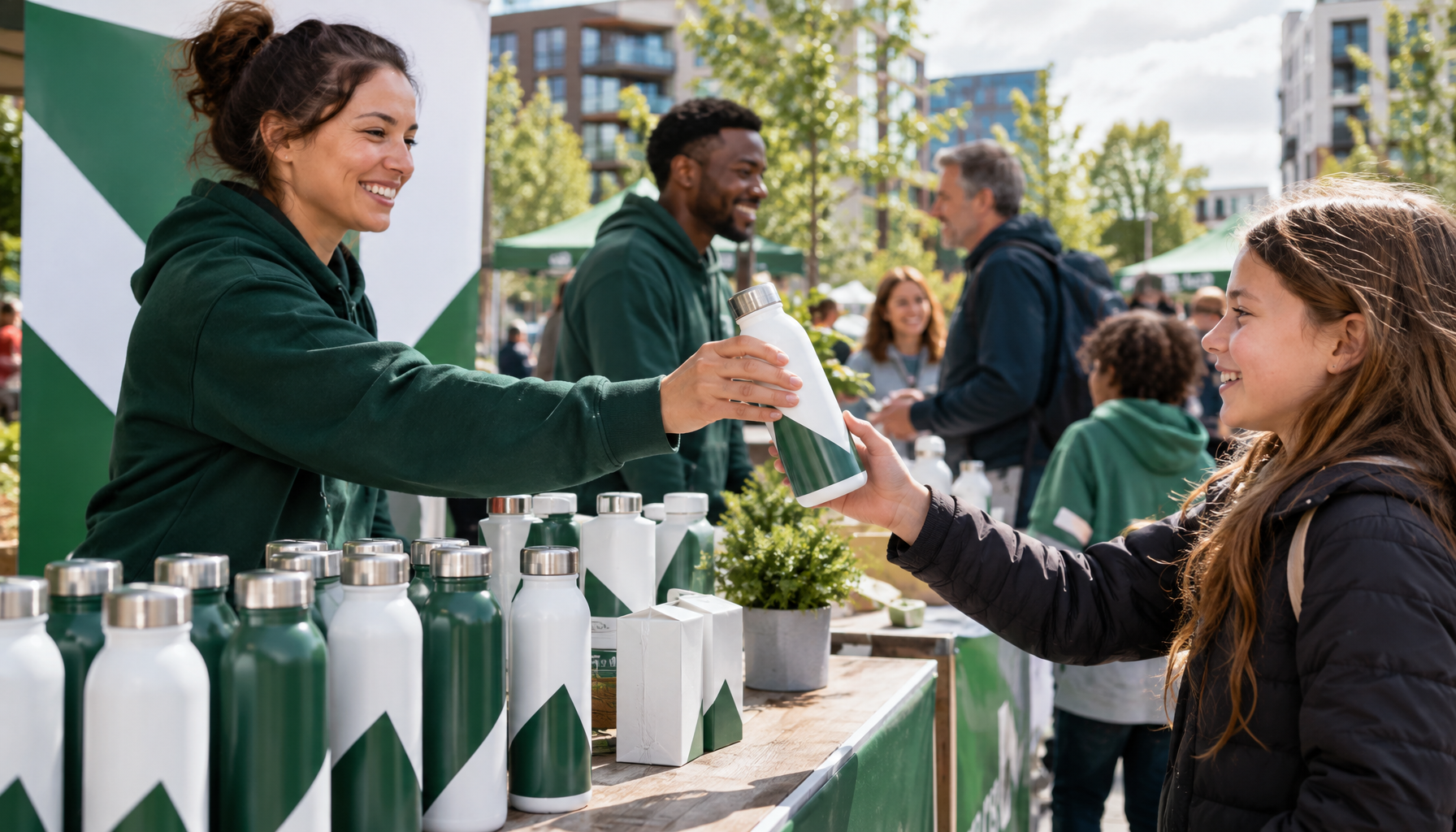
How Freee Water's Strategic Partnerships Can Enhance ESG Sponsorship Metrics in Local Communities.
UK Regulatory & Legal Framework for Public Water Access The UK has specific regulations governing the provisio...
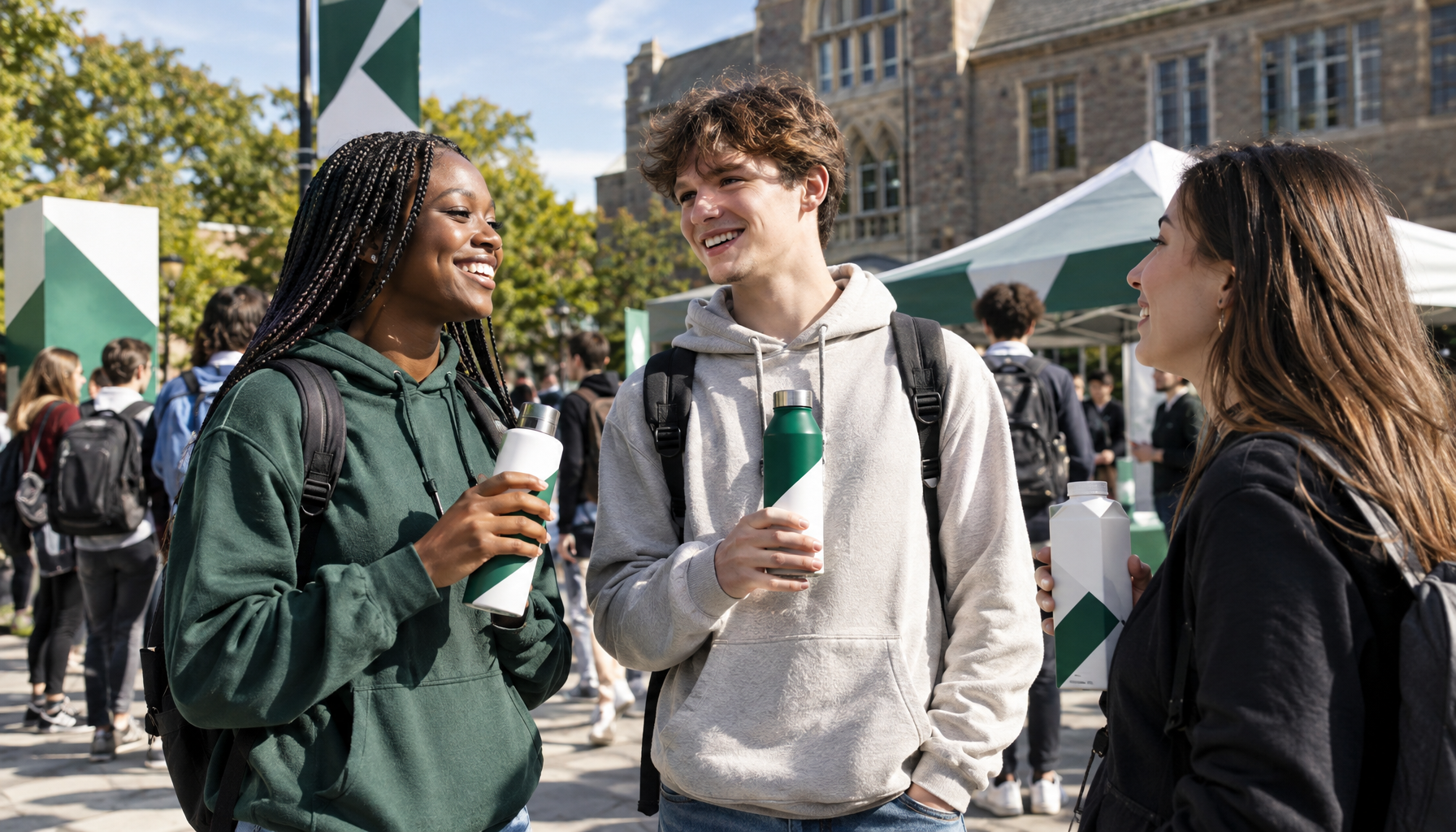
How Freee Water Can Improve Campus Open Days by Addressing Student Hydration Needs and Enhancing Brand Visibility.
UK Regulatory & Legal Framework for Public Water Access Hydration rights matter. In the UK, providing access t...
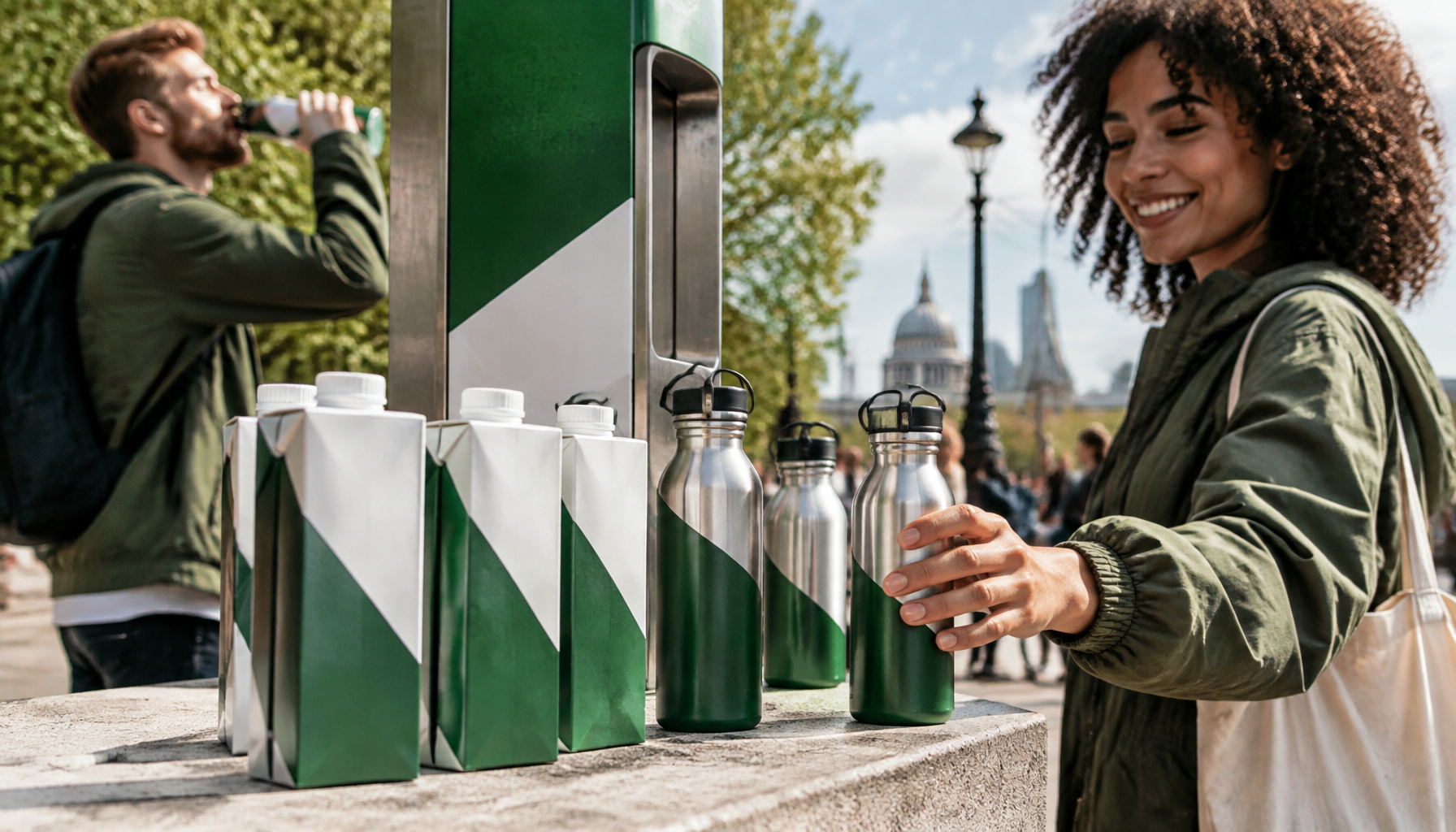
Why Utility Media Drives Real Brand Trust: The Economics of Sponsor-Funded Civic Hydration
The UK Hydration Deficit & Public Media Problem In the UK, static advertising is increasingly ineffective, suf...