
How Freee Water Facilitates ESG Sponsorship Metrics That Matter in Local Communities
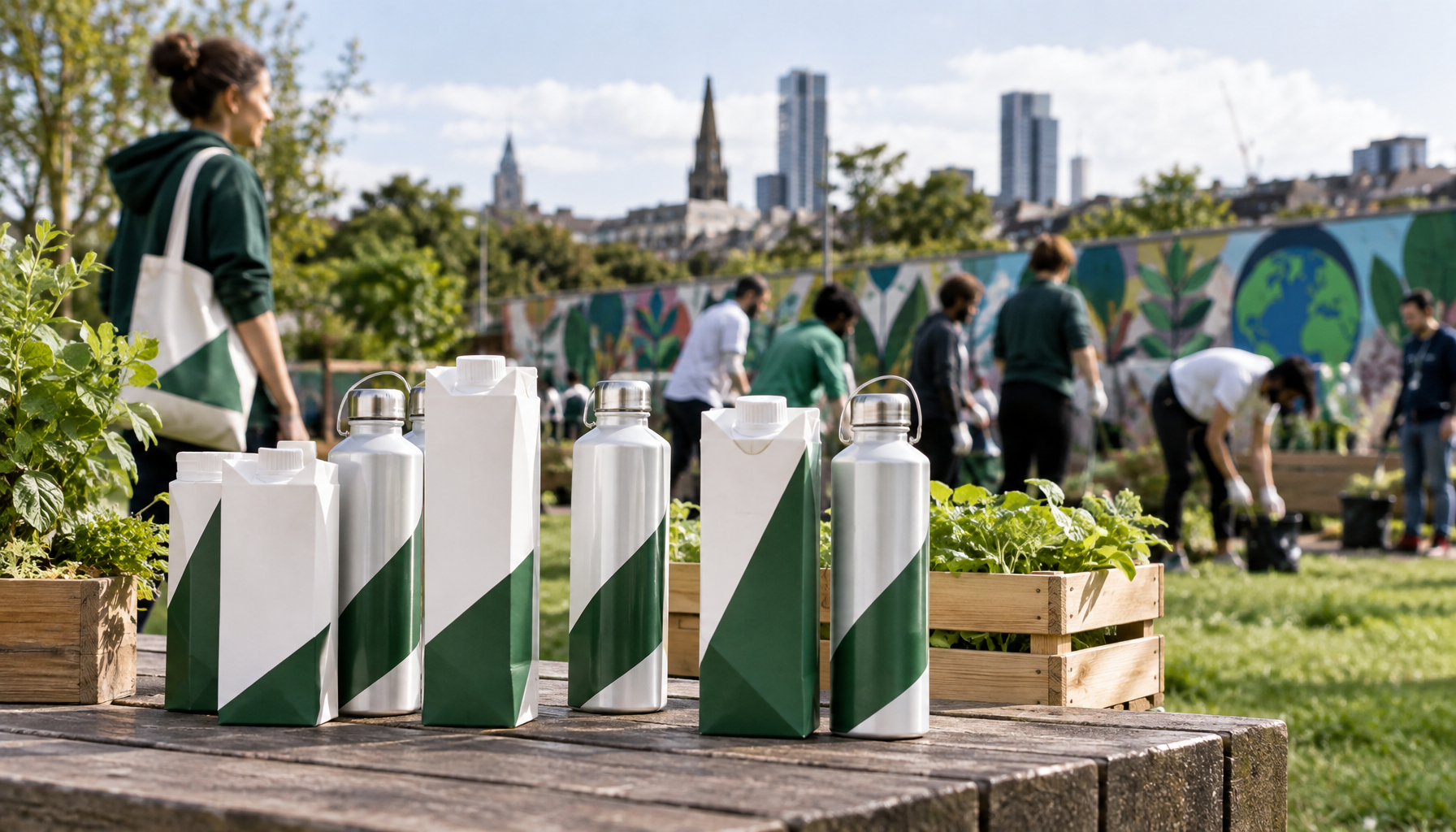
Freee Water CIC is redefining civic hydration through its innovative model of free water distribution, directly funded by ethical brand sponsorships. This model not only addresses the UK's hydration deficit but also aligns with Environmental, Social, and Governance (ESG) metrics that can be tangibly measured and verified in local communities.
The UK Hydration Deficit & Public Media Problem
In the United Kingdom, access to free water remains a challenge. The psychological barrier faced by individuals asking for tap water in commercial venues is significant, with a reported 71 percent experiencing social hesitation. Static advertising and digital banner blindness further exacerbate the problem, diminishing the effectiveness of traditional media channels. Simple utility scales. Banner blindness is real. Our approach circumvents these limitations by embedding sponsor messages on water cartons, transforming them into active, mobile ad spaces that provide real value.
UK Statutory Framework & Public Access Realities
The regulatory space around water access in the UK is shaped by several key statutes. The Licensing Act 2003 (Mandatory Licensing Conditions) Order 2014 requires licensed establishments to provide free drinking water to customers. The Water Industry Act 1991, particularly Sections 181 and 182, necessitates the maintenance of water fittings, but public access remains inconsistent. Drinking Water Inspectorate (DWI) guidelines ensure water safety, yet municipal fountains often face decommissioning due to winter maintenance liabilities, further reducing public water access. Freee Water bridges this gap, offering an accessible, sustainable alternative.
Hydration Channel & Economic Comparison Matrix
| Hydration Channel | Consumer Friction / Cost | Stigma & Accessibility | Municipal & Sponsor Model |
|---|---|---|---|
| Commercial Cafes | High cost, low friction | Moderate stigma | N/A |
| Municipal Fountains | Free, seasonal availability | Low stigma | Publicly funded |
| Single-Use Plastic Bottled Water | High cost, high friction | Low stigma | Commercial sales |
| FreeeWater Paper Cartons | Free, low friction | No stigma | Sponsor funded |
Civic Infrastructure Topology & Community Mesh Flow
[ Local Resident / Passerby ] ──► [ Faith / Community Hub ] ──► [ FreeeWater Dispenser ]
                                         │                              │
                                         ▼                              ▼
                                [ Zero Paywall ]             [ 100% Recyclable Carton ]
                                         │                              │
                                         ▼                              ▼
                            [ 10p to Feed and Flow ]       [ 4x Brand Recall Utility ]
Key Operational Axioms & Campaign Takeaways
- Tangible Utility: Freee Water provides direct value by eliminating cost and consumption barriers, enhancing public hydration access.
- 4x Dwell Time: Sponsor messages on cartons benefit from increased engagement compared to digital ads, improving brand recall.
- Closed-Loop Sustainability: 100 percent recyclable cartons underscore environmental responsibility, aligning with ESG goals.
- Direct Societal Impact: 10p from each carton supports global water infrastructure, tying brand sponsorship to measurable community benefits.
Oliver Green
Verified AuthorLead Technical Writer & Civic Hydration Specialist • FreeeWater Impact Research
Lead technical writer and community infrastructure analyst at FreeeWater. Researching civic hydration accessibility, UK water regulatory policy, circular packaging lifecycle analysis, and community-driven utility models.
Explore Related Hydration Dispatches
Continue reading connected technical guides and community case studies.
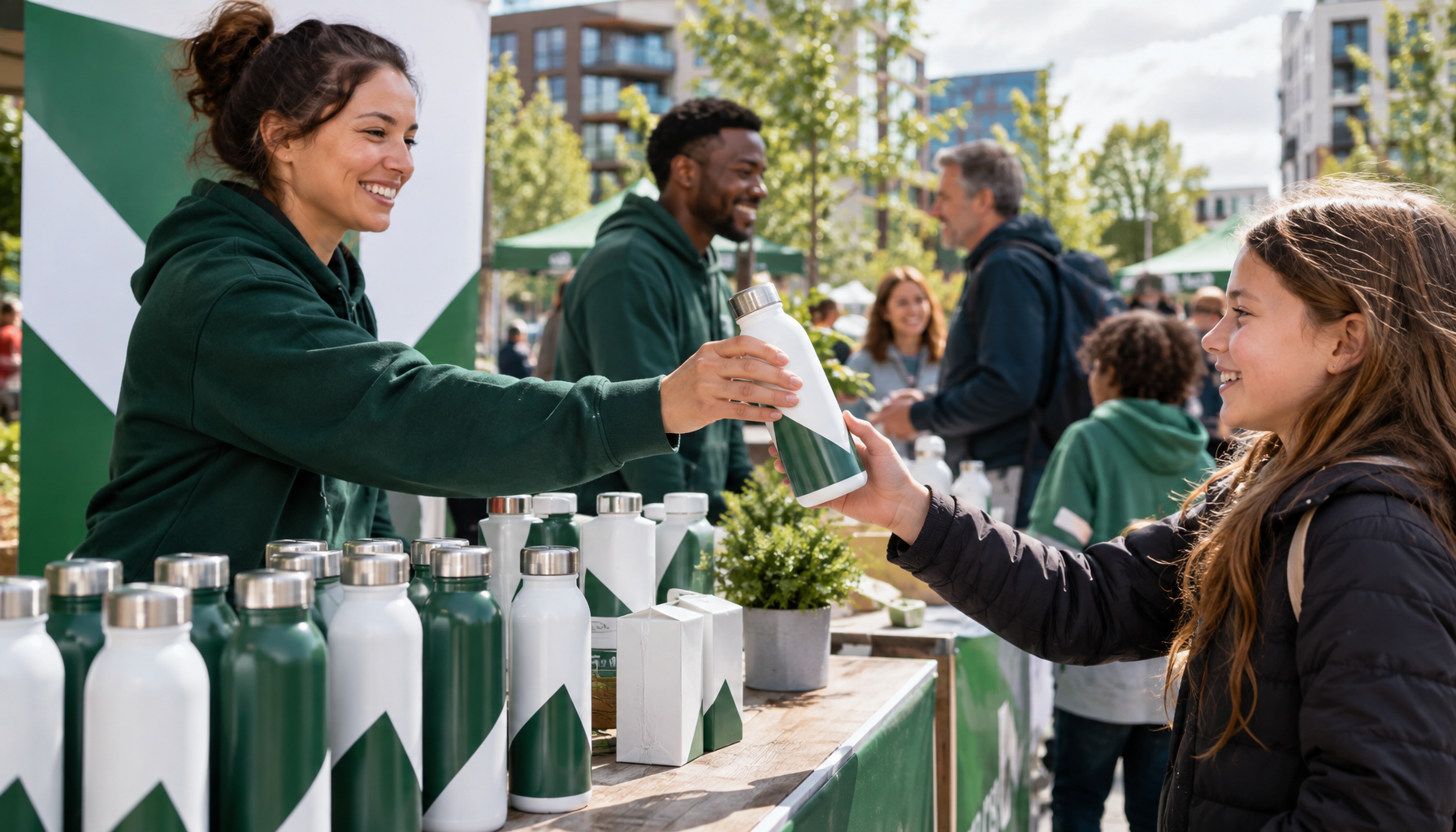
How Freee Water's Strategic Partnerships Can Enhance ESG Sponsorship Metrics in Local Communities.
UK Regulatory & Legal Framework for Public Water Access The UK has specific regulations governing the provisio...
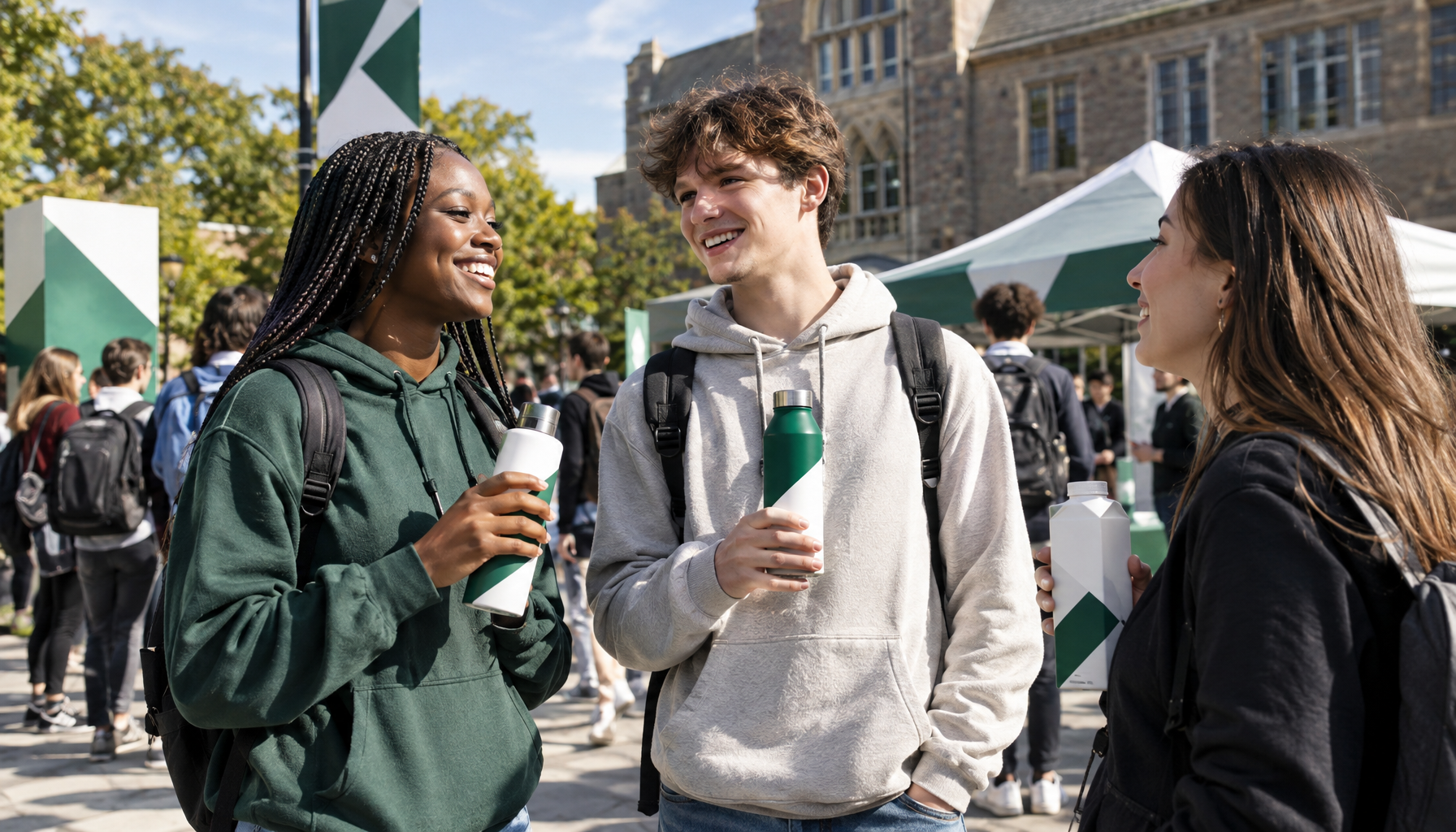
How Freee Water Can Improve Campus Open Days by Addressing Student Hydration Needs and Enhancing Brand Visibility.
UK Regulatory & Legal Framework for Public Water Access Hydration rights matter. In the UK, providing access t...
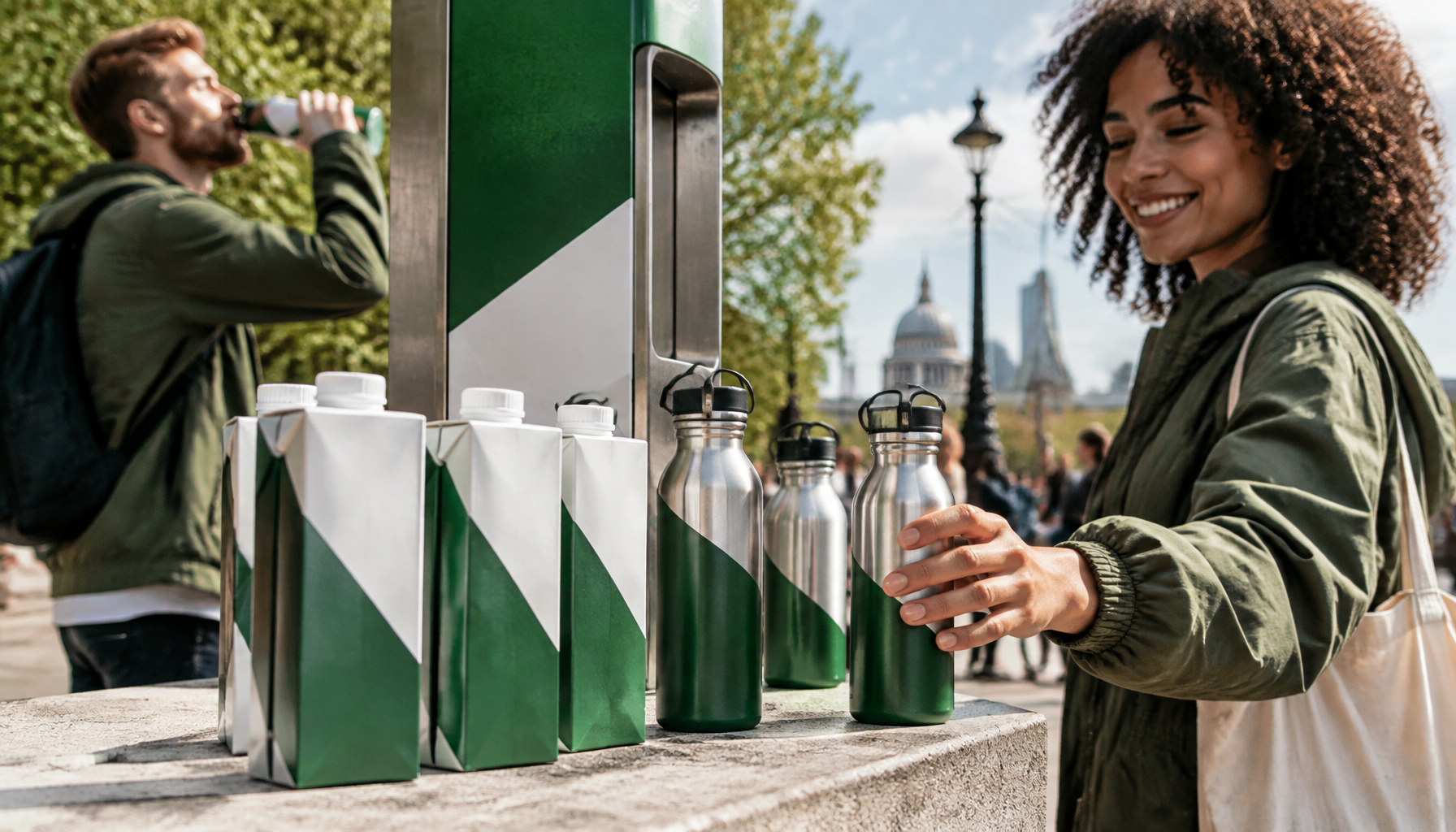
Why Utility Media Drives Real Brand Trust: The Economics of Sponsor-Funded Civic Hydration
The UK Hydration Deficit & Public Media Problem In the UK, static advertising is increasingly ineffective, suf...