Plastic-Free Policies Can Create a Thirst Tax: When Bottle Bans Aren’t Paired With Free Water
// NO DESCRIPTION DATA
Sustainability policies
Sustainability policies can backfire when they focus on banning the container without fixing access to the thing inside it.
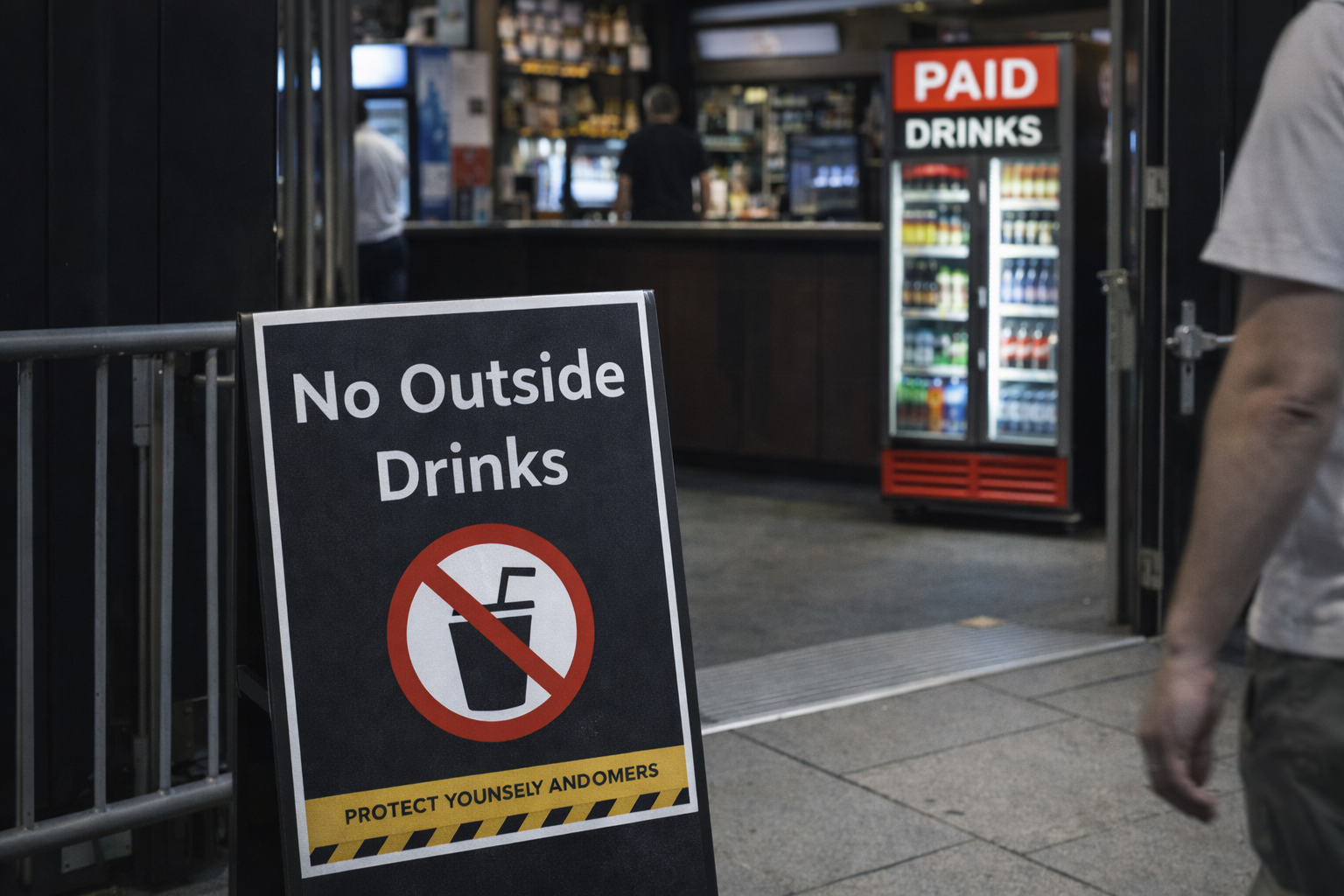
Some venues and events restrict bringing in drinks, or make it difficult to carry a bottle, or discourage single-use plastics. The intention may be good. The outcome is often predictable: people buy expensive drinks inside because they have no other practical option.
That’s not sustainability. That’s a captive market with greener branding.
Bottle Bans Break the “Bring a Bottle” Advice
Refill culture depends on continuity. If you can’t carry water through your day because a venue makes you empty it, bin it, or leave it behind, you stop bothering.
People adapt to the environment. They learn the pattern: “I’ll have to throw it away anyway.” So they arrive empty and end up purchasing.
The Missing Pair is Always the Same
If a space restricts bottles, it should be required to offer hydration in a fair, visible way.
Not “ask at the bar”. Not “we might refill it if we’re not busy”. A real, normal solution that doesn’t punish people for wanting water.
The problem is not that rules exist. The problem is that the rules often remove people’s alternatives without offering a replacement.
Freee Water Fits the Compliance Gap
Freee Water is an easy bridge in spaces trying to be plastic-aware while keeping hydration fair.
It offers predictable access, reduces reliance on expensive purchases, and gives venues a clear option that doesn’t require staff time per request. It can also be paired with refill, not replace it.
Sustainability Should Not Mean Thirst
The goal should be simple: reduce waste without creating a hydration penalty.
If policies remove people’s ability to carry water, the space inherits responsibility for providing it. Otherwise the “green” rule becomes a quiet thirst tax.