Pregnancy, Appointments, and the “No Stops” Day: Why Hydration Access Is a Women’s Health Issue
// NO DESCRIPTION DATA
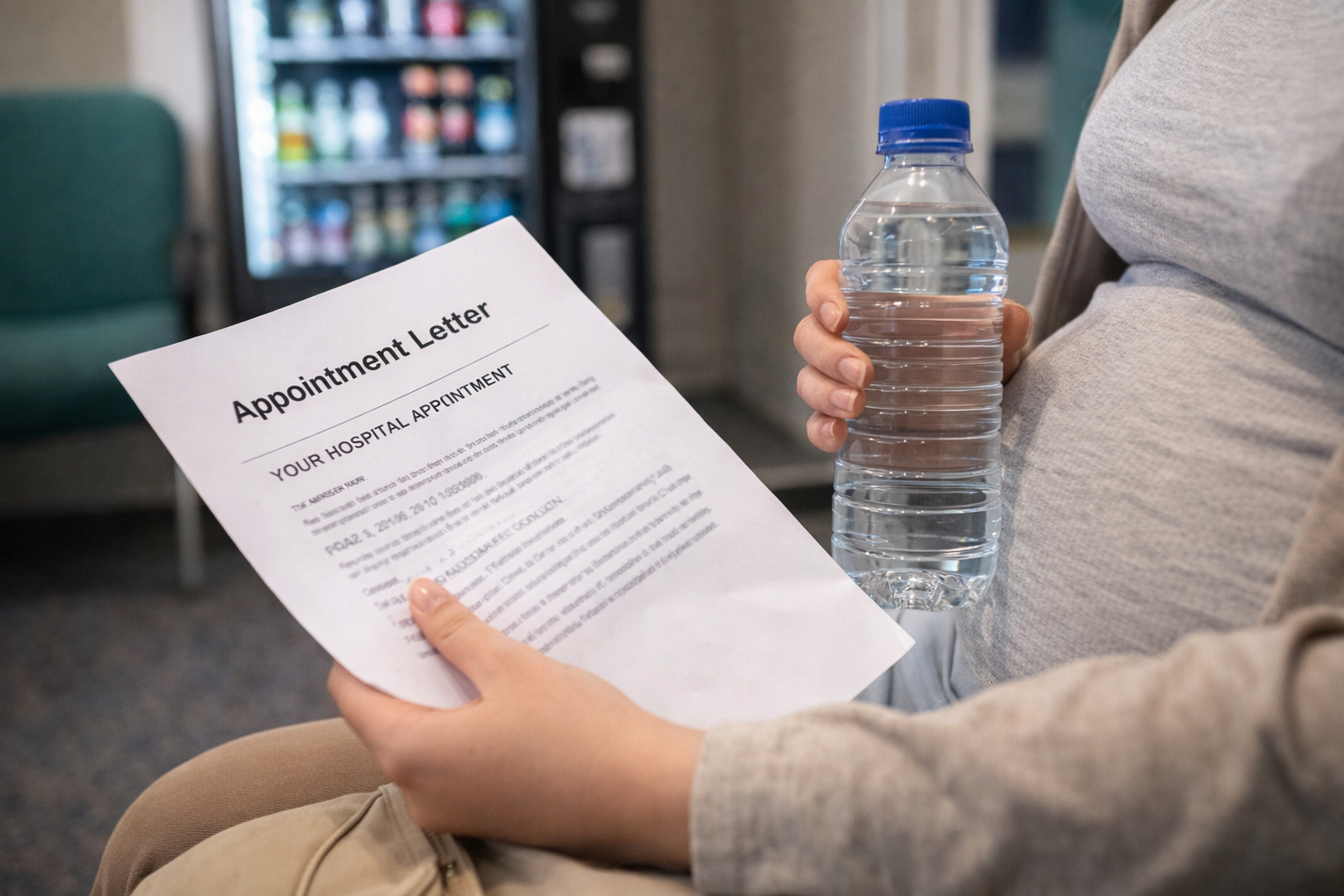
The appointment economy creates predictable dehydration
Many people spend hours each week in:
- clinics
- pharmacies
- council offices
- advice centres
- services that involve queues and waiting
Even when a building has water, it may be hidden, unclear, or awkward to access.
So people default to buying water or going without, especially if they are already stressed and tired.
Pregnancy and postpartum days are not “normal days”
Pregnancy and postpartum recovery often mean:
- needing fluids more consistently
- limited tolerance for long detours
- higher sensitivity to heat and fatigue
- more frequent toilet needs
- less energy for “problem solving” public space
When water becomes a friction point, it adds one more burden to an already heavy day.
Cost-of-living pressure makes it worse
When households are watching every expense, “quick water” becomes a recurring leak:
- one bottle at a station
- another near an appointment
- another while waiting
- another because the day is longer than expected
It is small money repeated, which is exactly how people get worn down financially.
What a better baseline looks like
A better baseline is not complicated:
- visible water access at points of waiting and movement
- clear signage
- quick grab-and-go options where detours are unrealistic
- partnerships with venues where people already have to be
Freee Water is designed for that kind of placement because it does not rely on perfect planning. It supports real-life movement.
Why this matters
When water is easy, people feel cared for. When it’s paywalled, people feel exploited.
Public hydration is not charity. It is a dignity baseline.