
Recyclable Cartons, Cleaner Streets, Better Sponsorship: The Freee Water Advantage
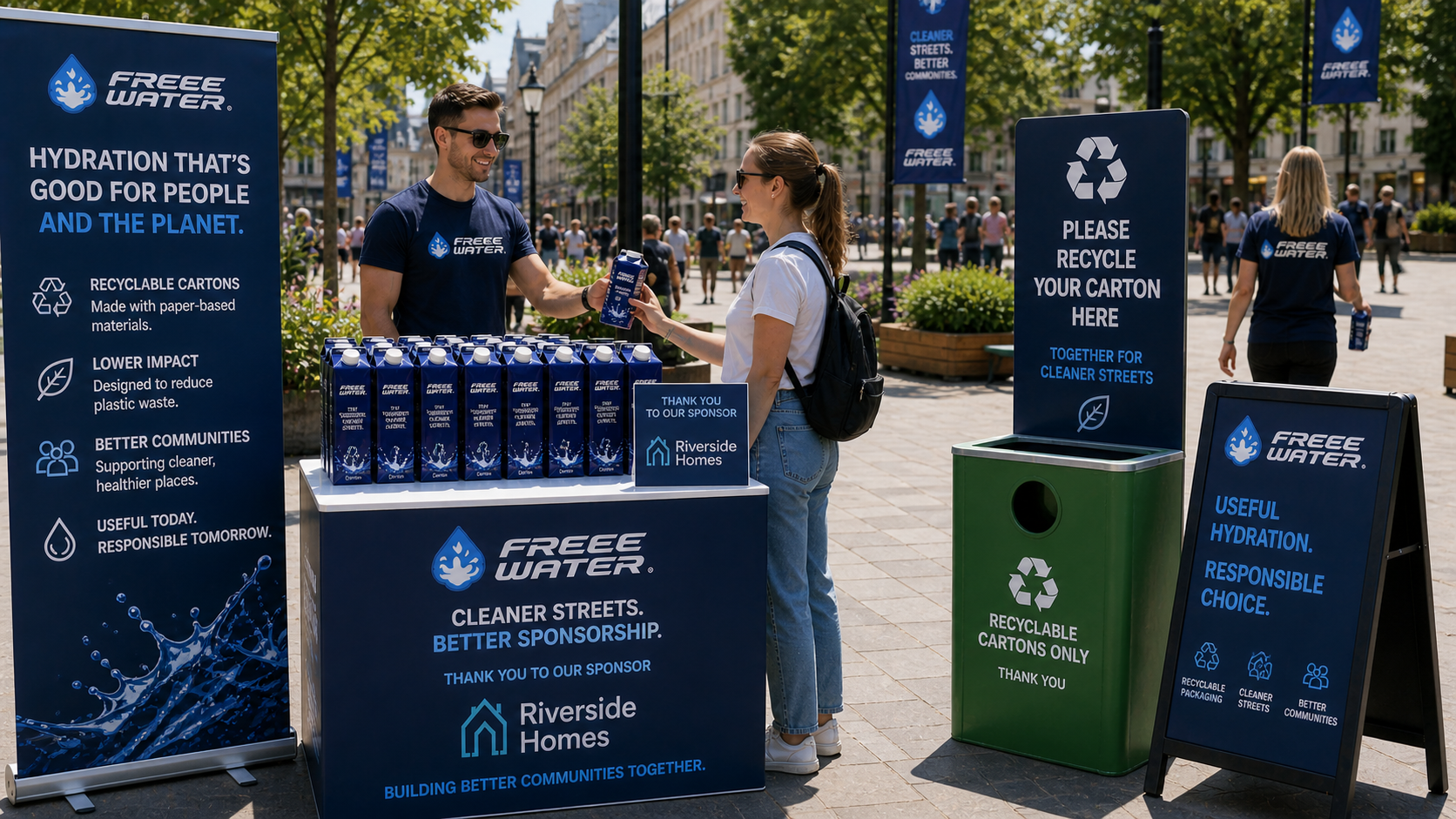
// NO DESCRIPTION DATA
Sponsorship should not leave a mess behind
A campaign should not create the exact problem it claims to solve.
That sounds obvious, but apparently the marketing industry needed a memo.
Street activations, event giveaways, and product sampling can generate waste fast when they are badly planned. Free items get handed out with no disposal thinking, no route planning, no clean-up process, and no respect for the location.
Freee Water has to be different.
The advantage is not only that water is useful. It is that the campaign can be built around cleaner, more responsible delivery.
Recyclable cartons give sponsors a better packaging story
Packaging matters.
People notice it. Councils notice it. Venues notice it. Sponsors definitely notice it when someone asks awkward questions.
Using recyclable cartons gives Freee Water sponsors a cleaner story than single-use plastic-led activations.
The message is not “packaging has no impact.” That would be nonsense.
The message is more practical:
If water is going to be distributed in public, the format should be designed with waste reduction and recycling in mind.
That is a better position for brands that care about reputation.
The green angle only works if the operation is tight
A recyclable carton does not magically make a campaign responsible.
The full delivery matters.
Freee Water campaigns should be planned around:
Controlled distribution
Clear placement
Sensible volume
Recycling access
Staff awareness
Clean handover points
Post-activation checks
Responsible sponsor messaging
That is how the campaign avoids becoming branded litter with better typography.
A good green campaign is not just about what the product is made from. It is about what happens before, during, and after distribution.
Cleaner campaigns are easier for partners to approve
Venues, councils, landlords, event organisers, and site managers care about mess.
They do not want extra litter.
They do not want blocked entrances.
They do not want awkward clean-up issues.
They do not want a sponsor activation that causes complaints.
A Freee Water campaign with clear disposal planning is easier to support because it shows operational discipline.
That matters for sponsors too.
A brand does not want visibility if the result is someone photographing cartons dumped near a bin and posting it online with a dramatic caption. The internet is already overpopulated with professional complainers.
Cleaner streets are part of the sponsor value
Brands like being associated with improvement.
A Freee Water sponsor can support hydration while also backing a cleaner campaign model.
That gives the sponsor a stronger public message:
Useful product.
Better packaging choice.
Responsible distribution.
Clear community value.
Less reliance on throwaway promotional junk.
That is a much better sponsorship story than “we printed 10,000 leaflets and watched nature suffer.”
The campaign can educate without lecturing
People do not want to be preached at while receiving water.
The best approach is light-touch.
A carton can include a simple recycling prompt. A stand can include clear disposal signage. Staff can direct people to nearby recycling points where available.
No moral lecture. No corporate guilt sermon.
Just practical behaviour design.
That is how green campaigns should work: make the better action easy.
Sponsors get commercial value and reputation value
Freee Water is not only a sustainability play.
It is still media.
The sponsor gets branding, presence, local visibility, product-in-hand exposure, and campaign delivery data.
The green packaging and cleaner delivery model strengthens the campaign, but it does not replace the commercial reason to sponsor.
That is the balance.
Brands are not paying for a feel-good badge.
They are paying for useful media that also carries a stronger responsibility story.
The bottom line
Freee Water gives sponsors a cleaner alternative to waste-heavy activations.
Recyclable cartons, controlled distribution, and sensible placement can help brands show up in public without leaving behind the usual campaign mess.
That is the advantage.
Cleaner format.
Useful product.
Better public experience.
Stronger sponsor reputation.
Simple. Which, naturally, makes it rare.
UK Regulatory & Legal Framework for Public Water Access
Public hydration access across the United Kingdom operates within a fragmented statutory environment. Under The Licensing Act 2003 (Mandatory Licensing Conditions) Order 2014, licensed on-trade premises such as pubs, bars, and restaurants are legally required to provide free potable tap water to customers where reasonably available. However, because this legal mandate applies exclusively to paying or recognized patrons, it inadvertently establishes an exclusionary “pay-to-function” commercial barrier for the broader public navigating high streets, public transport corridors, and town centres.
According to nationwide behavioral data published by Refill UK and the City to Sea campaign, over 71% of UK consumers feel acute psychological stigma and social hesitation when requesting free tap water in commercial venues without making a purchase. Furthermore, under the Water Industry Act 1991 (Sections 181 and 182) and guidance from the Drinking Water Inspectorate (DWI), municipal local authorities bear no statutory duty to install or maintain public outdoor drinking fountains. Faced with severe budgetary deficits, local councils frequently decommission municipal water fountains due to winter freezing liabilities, pipework deterioration, legionella testing requirements, and anti-social behavior risks.
Hydration Channel & Economic Footfall Comparison
To examine why conventional public infrastructure struggles to provide reliable, stigma-free hydration across UK urban centres, we compare the primary access channels across physical accessibility, consumer friction, and municipal maintenance:
| Hydration Channel | Accessibility / Cost | Stigma Level | Maintenance Burden |
|---|---|---|---|
| Commercial Venues (Cafes/Pubs) | “Pay-to-function” barrier (£2.50–£4.50 purchase barrier) | High (71% social hesitation) | Low (Customer-funded hospitality staff) |
| Municipal Fountains | Free, but high freeze, lead-pipe & vandalism risk | Low | High Council Maintenance & Winter Shutdowns |
| FreeeWater Faith / Community Mesh | 100% Free, Heated, Staffed & Welcoming | Zero Stigma (Open-Door Civic Hospitality) | Community-Partnered & Sponsor-Funded |
Civic Infrastructure Topology & Community Mesh Flow
The FreeeWater community mesh leverages existing civic architecture, faith institutions, municipal libraries, and community hubs to distribute free hydration with zero taxpayer expenditure. By situating sustainable paper-carton dispensers directly inside community warm spaces, the network solves both physical access constraints and social stigma.
[ Local Resident / Passerby ] ──► [ Faith / Community Hub ] ──► [ FreeeWater Dispenser ]
                                         │                              │
                                         ▼                              ▼
                              [ Warm Space & Dignity ]      [ Zero Plastic Waste ]
Operational Lifecycle & Verified Environmental Impact
Civic hydration initiatives often falter during operational scaling due to plumbing maintenance overheads and regulatory water safety compliance. When traditional outdoor fountains freeze or become contaminated, local councils face months of procurement delays. The FreeeWater ecosystem bypasses centralized utility gridlocks by supplying pre-packaged, hermetically sealed paperboard cartons directly to verified distribution hubs.
Every FreeeWater unit is packaged in FSC-certified paperboard laminated with a thin plant-based barrier, generating 64% fewer greenhouse gas emissions across its lifecycle than standard virgin PET bottles. Ethical brand partners sponsor the outer packaging canvas, turning essential public utility into a high-recall communication channel. In turn, 10p from every distributed carton is transferred directly to the Feed and Flow Foundation to build permanent clean water infrastructure globally.
Oliver Green
Verified AuthorLead Technical Writer & Civic Hydration Specialist • FreeeWater Impact Research
Lead technical writer and community infrastructure analyst at FreeeWater. Researching civic hydration accessibility, UK water regulatory policy, circular packaging lifecycle analysis, and community-driven utility models.
Explore Related Hydration Dispatches
Continue reading connected technical guides and community case studies.
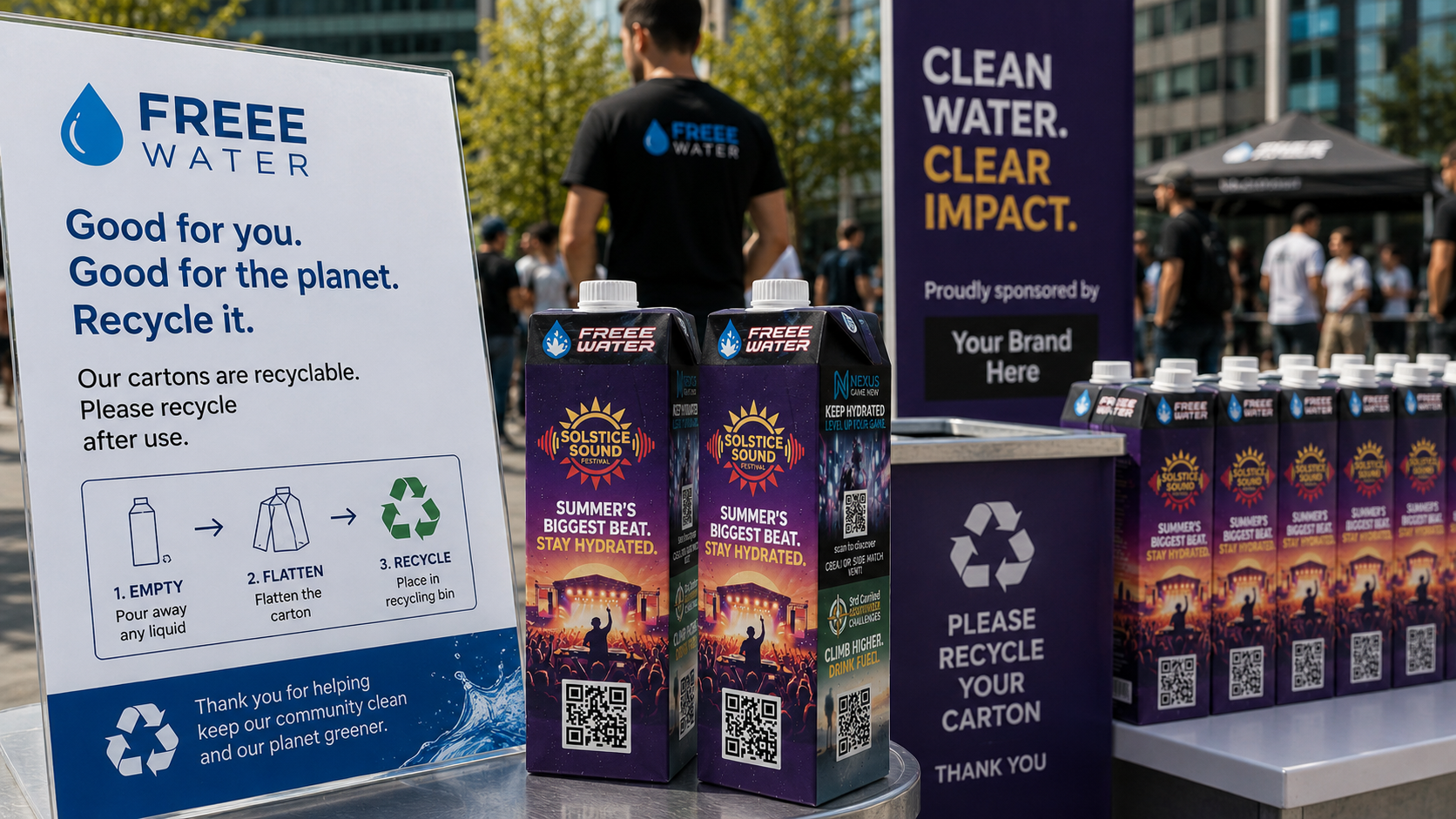
Why Recyclable Packaging Makes Sponsorship Easier To Defend
Packaging is part of the brand message People judge campaigns by what they leave behind. A brand can have the ...
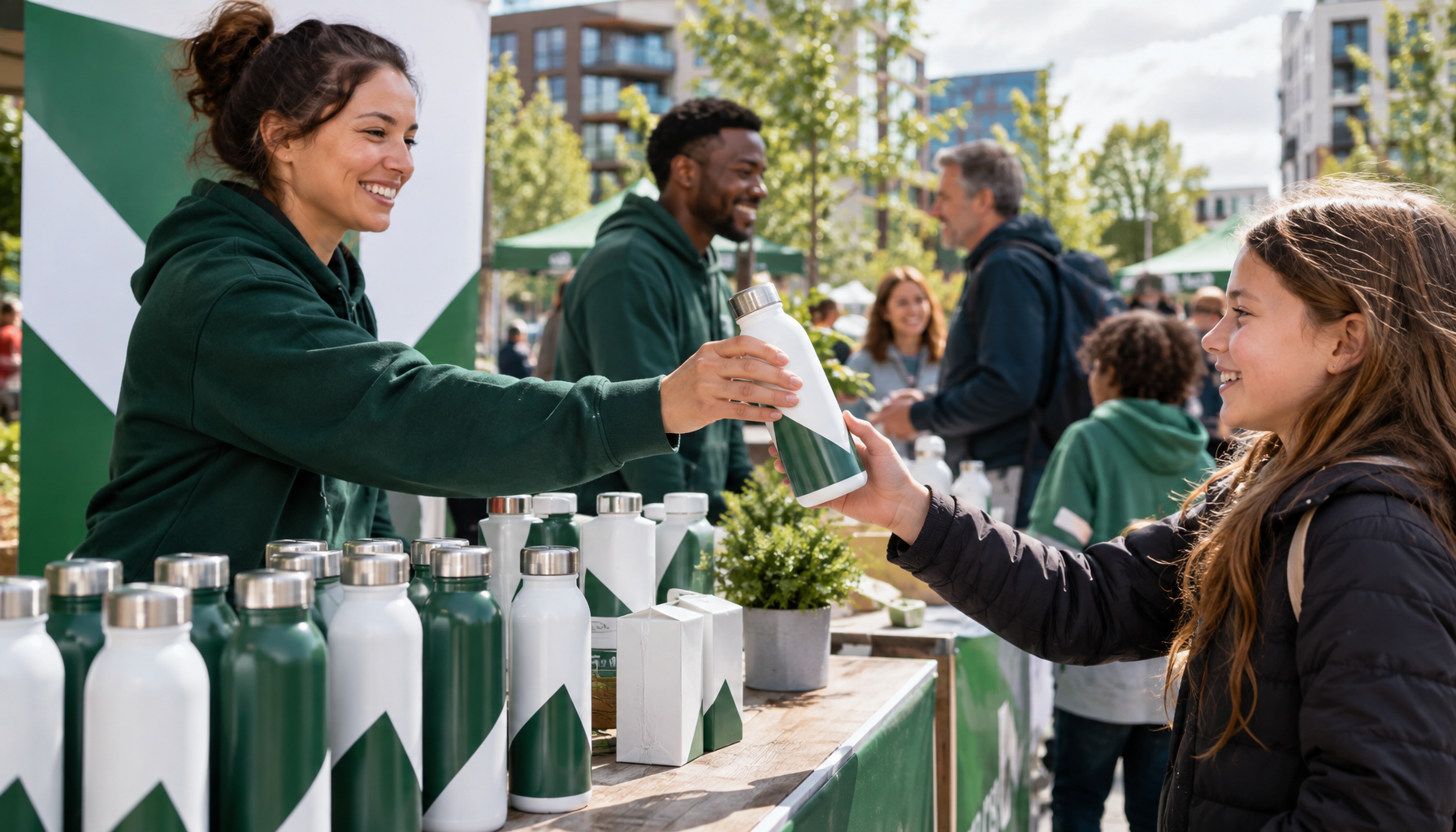
How Freee Water's Strategic Partnerships Can Enhance ESG Sponsorship Metrics in Local Communities.
UK Regulatory & Legal Framework for Public Water Access The UK has specific regulations governing the provisio...
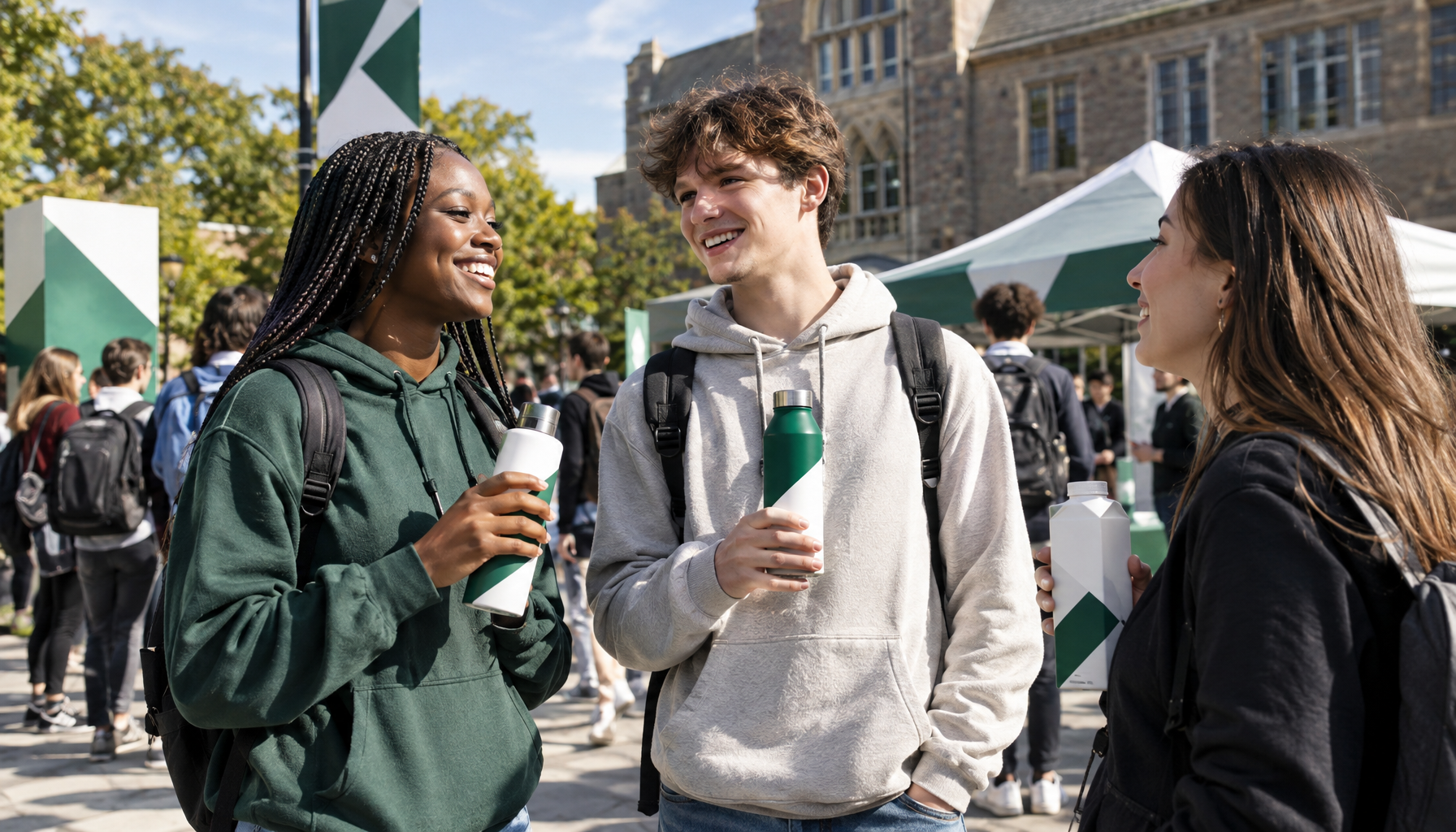
How Freee Water Can Improve Campus Open Days by Addressing Student Hydration Needs and Enhancing Brand Visibility.
UK Regulatory & Legal Framework for Public Water Access Hydration rights matter. In the UK, providing access t...