The Menopause Hydration Gap: Why Public Space Still Pretends Bodies Work the Same
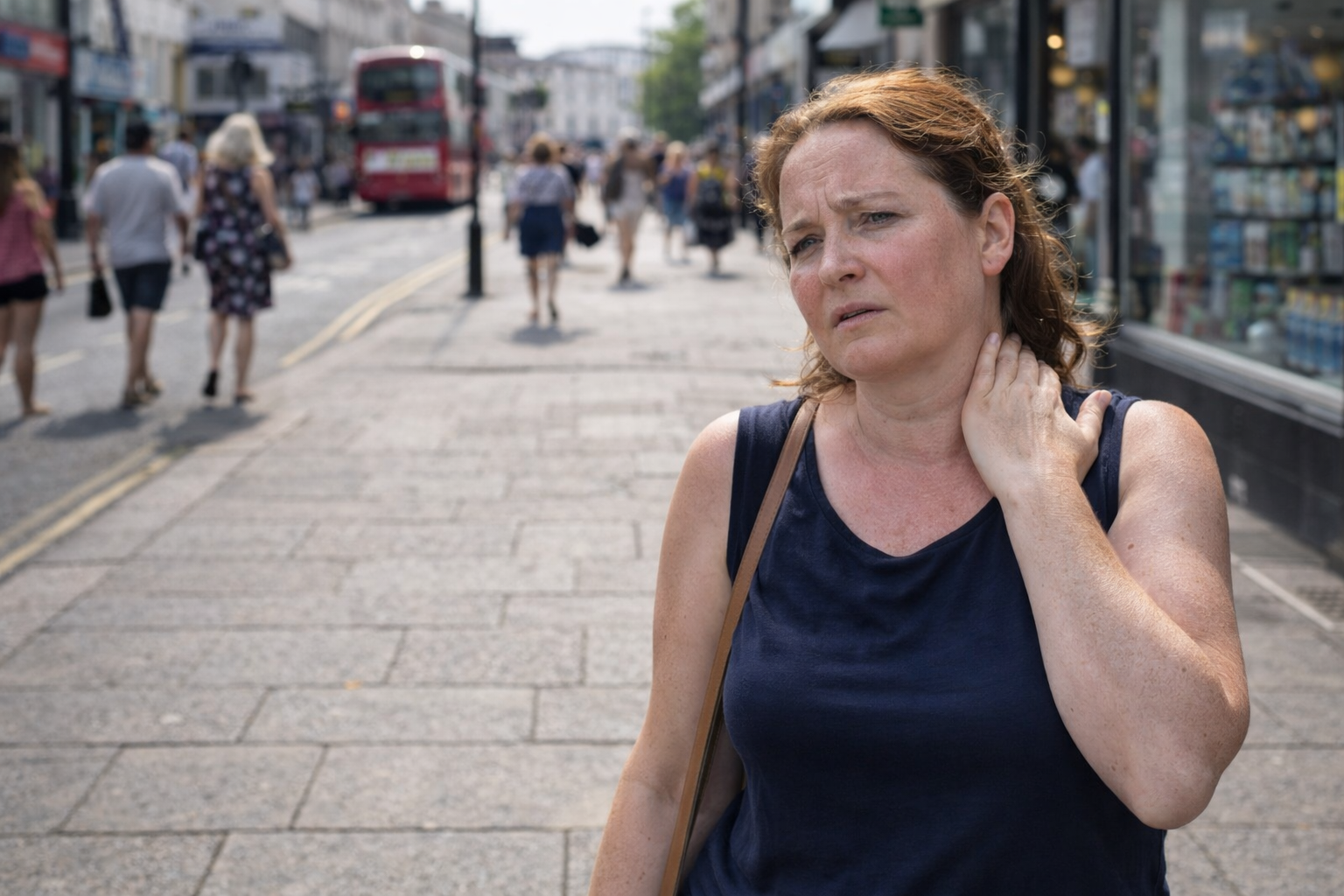
// NO DESCRIPTION DATA
Public Hydration
Public hydration is usually discussed in generic terms.
Drink more water. Carry a bottle. Plan ahead.
That advice sounds neutral, but it quietly assumes that everybody moves through public space with the same needs, the same body, and the same margin for discomfort. Real life is messier than that.
For many women, especially during perimenopause and menopause, hydration matters more than people admit. Hot flushes, overheating, disrupted sleep, headaches, dry mouth, medication changes, and just feeling physically unsettled can turn a normal day out into a draining one. Yet public space still behaves as if water is only a nice extra, not basic support.
Public Space Is Designed Around the Average Myth
A lot of systems are built around an imaginary “standard” person.
They are not pregnant, not older, not managing symptoms, not carrying too much, not rushing between errands, not overheating in a busy town centre. They are just a neutral body moving cleanly through the day.
That person does not exist.
Hydration access matters more when the body is already working harder. If someone is dealing with hot flushes or temperature regulation issues, the ability to get water quickly without awkwardness becomes practical, not optional.
Small Frictions Hit Harder Than People Think
This is what public policy often misses.
A woman on a warm high street, already uncomfortable, should not have to choose between asking in a café, buying overpriced bottled water, or just pushing through it until she gets home. That is not a serious hydration system. That is a shrug.
The same is true in queues, appointments, transport delays, retail parks, school runs, and all the ordinary spaces where discomfort builds quietly. A lot of public life still assumes people can simply tolerate thirst for a bit longer. That assumption falls apart fast when your body is already under strain.
Hydration Access Should Reflect Real Bodies
Freee Water makes more sense when you stop imagining hydration as one-size-fits-all.
The goal is not to build only for the fittest person on the mildest day. It is to make water visible, normal, and easy for people whose bodies are less forgiving of delay.
If public health messaging says hydration matters, public space has to stop pretending everyone experiences thirst the same way.
Because the gap is not only about water.
It is about whether public life is built for actual human bodies, or just a fantasy version of them.