Why Paper-Based Water Cartons Deliver 4x Higher Brand Recall Than Digital Billboard Ads

Introduction: Why Paper Wins
Paper-based water cartons are changing the game. They boast 4x higher brand recall than digital billboard ads. But why The answer lies in engagement. People notice paper. It's tactile. It's tangible. This article explores how and why.
Brands invest heavily in ads. Digital billboards are flashy. They grab attention, but briefly. Viewers move on quickly. Paper, however, sticks around. It's in your hand. You're forced to notice it. With a simple carton, brands create lasting impressions. Let's dive into the reasons behind this phenomenon.
Physical Presence: A Tactile Experience
Paper interacts with the senses. You touch it. You feel it. This interaction is key. Digital ads can't offer this. They're fleeting. Paper offers permanence. It's in your hand.
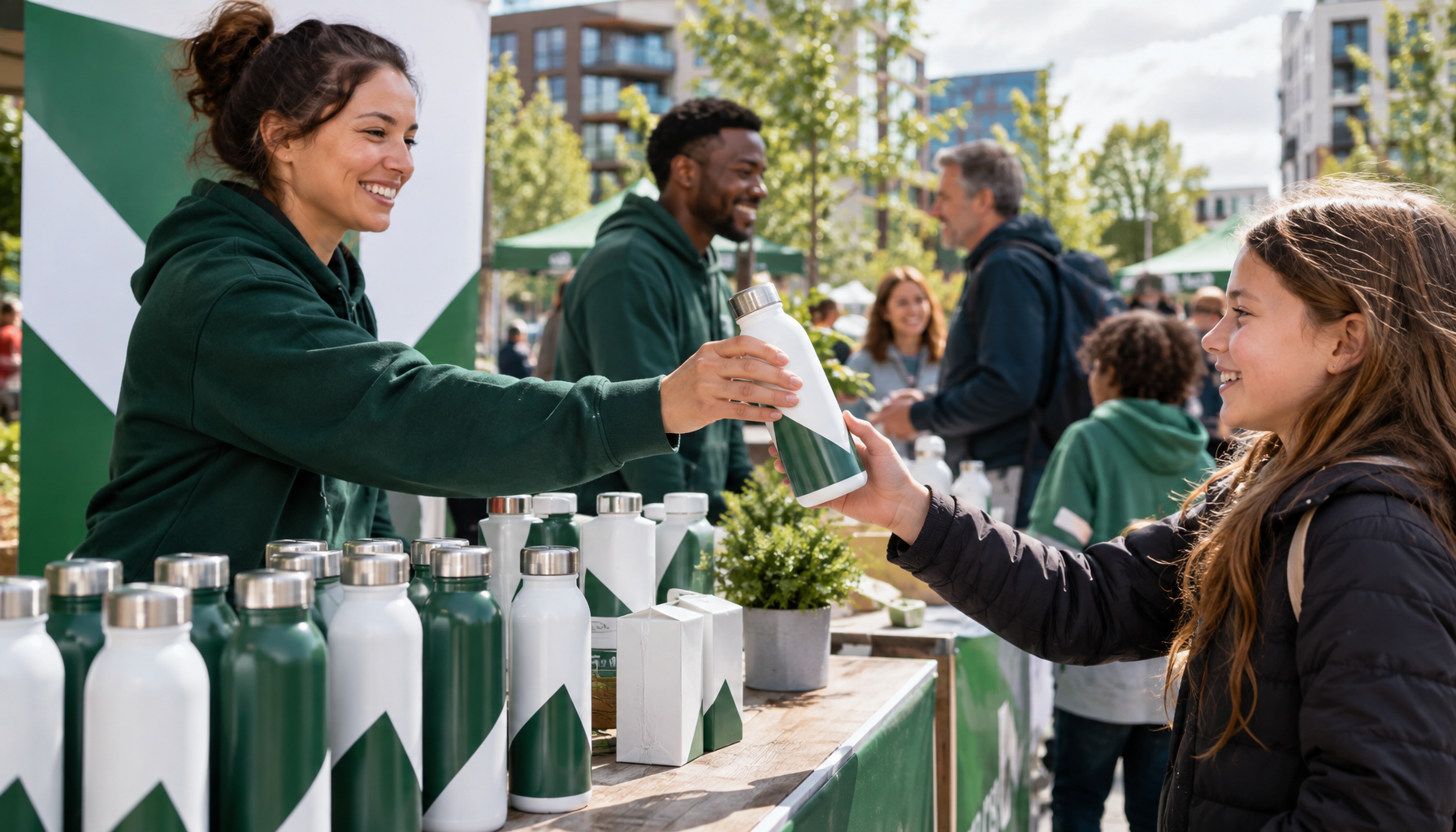
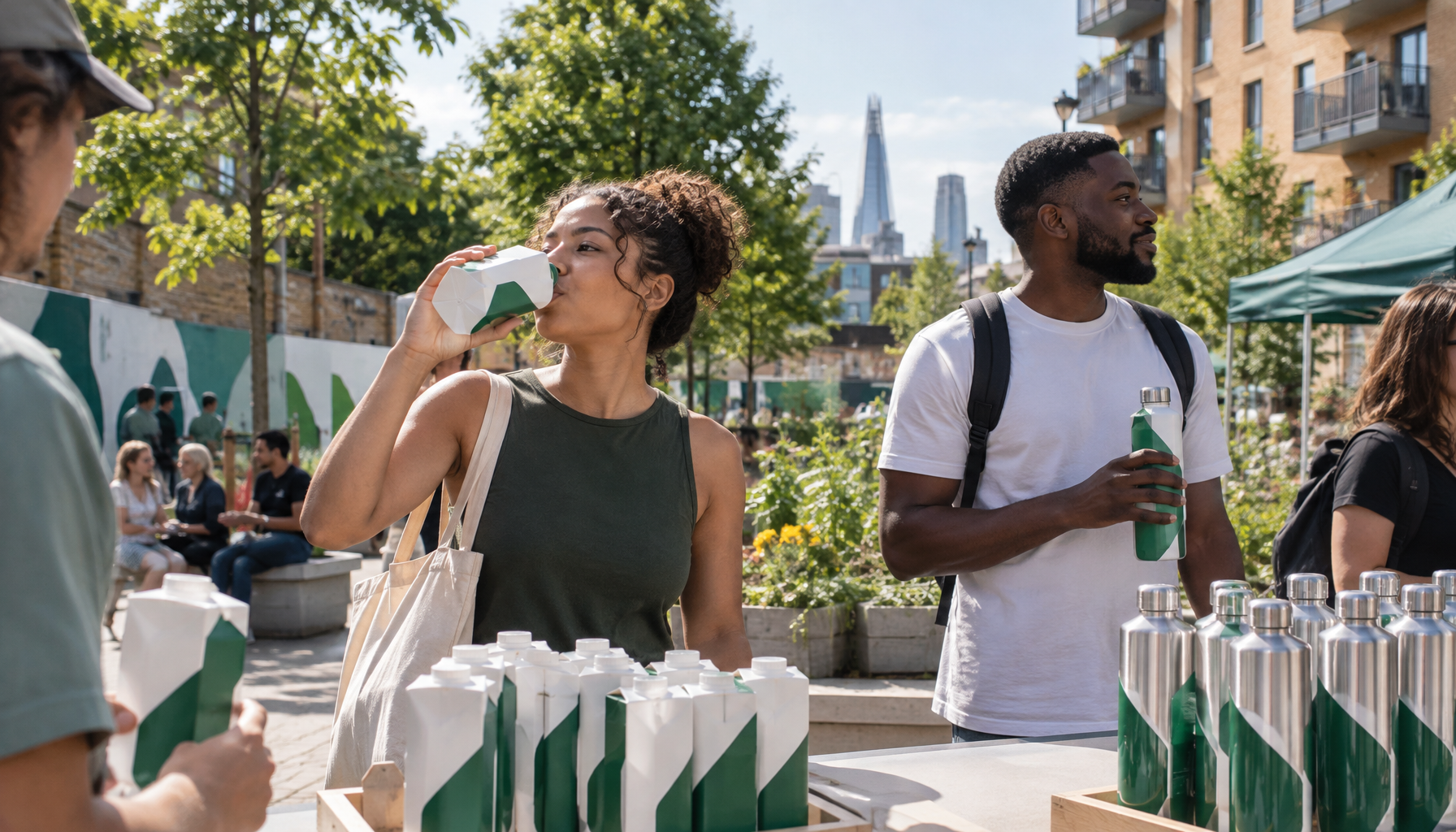
Think about utility. A water carton serves a purpose. People need water. While they drink, the carton sits in their hand. It's a longer interaction window. This creates natural engagement. The brand becomes part of the experience. It’s not just an ad. It's a useful, necessary item. This strengthens recall. People associate the brand with something positive. Digital can't compete.
Ad Clutter: Too Much Noise
The digital world is cluttered. Ads everywhere. People tune out. It's ad fatigue. Digital boards are part of this problem. They blend into the noise. Effective Not always. People look away. Attention is brief. Paper cuts through.
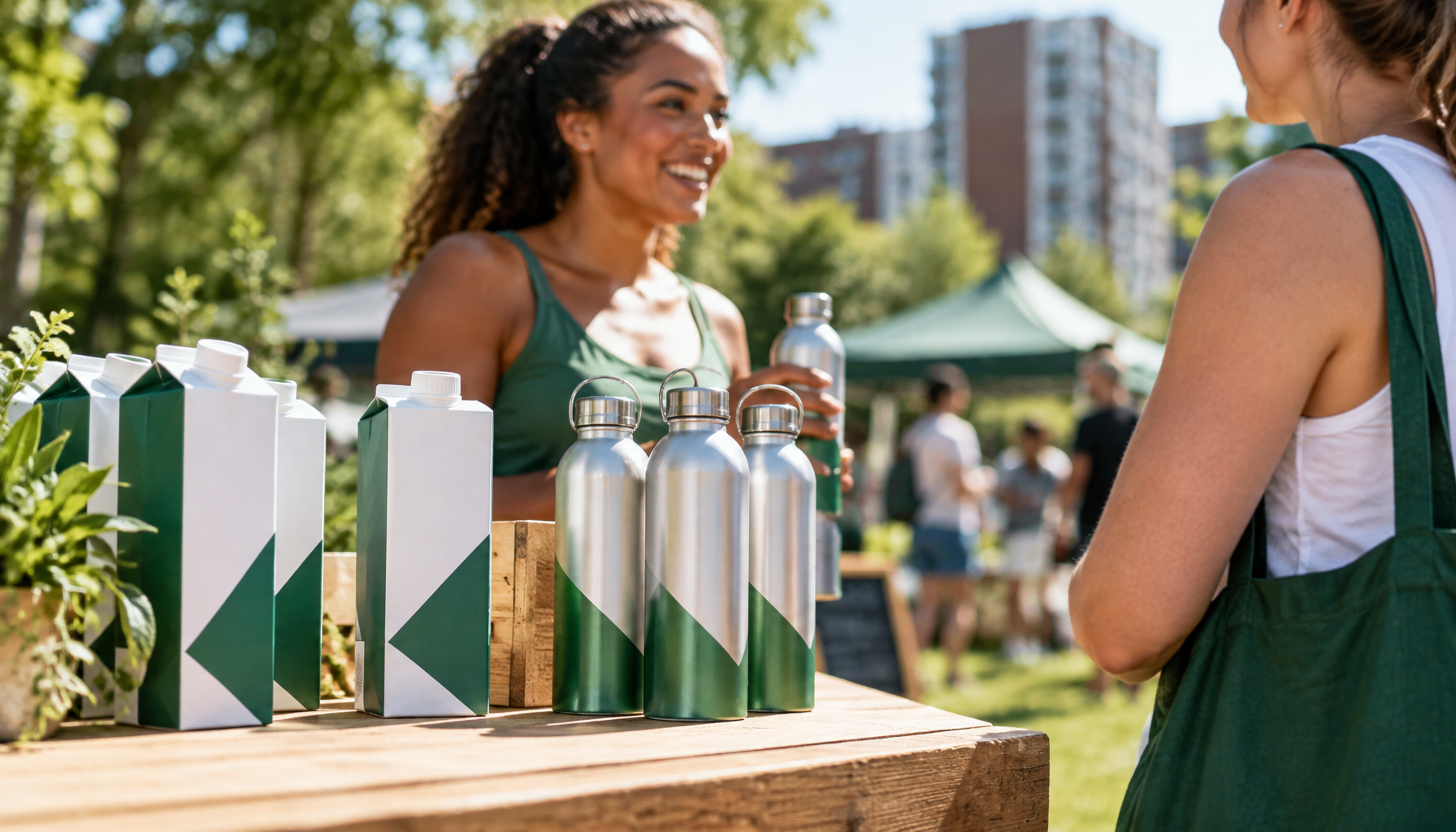
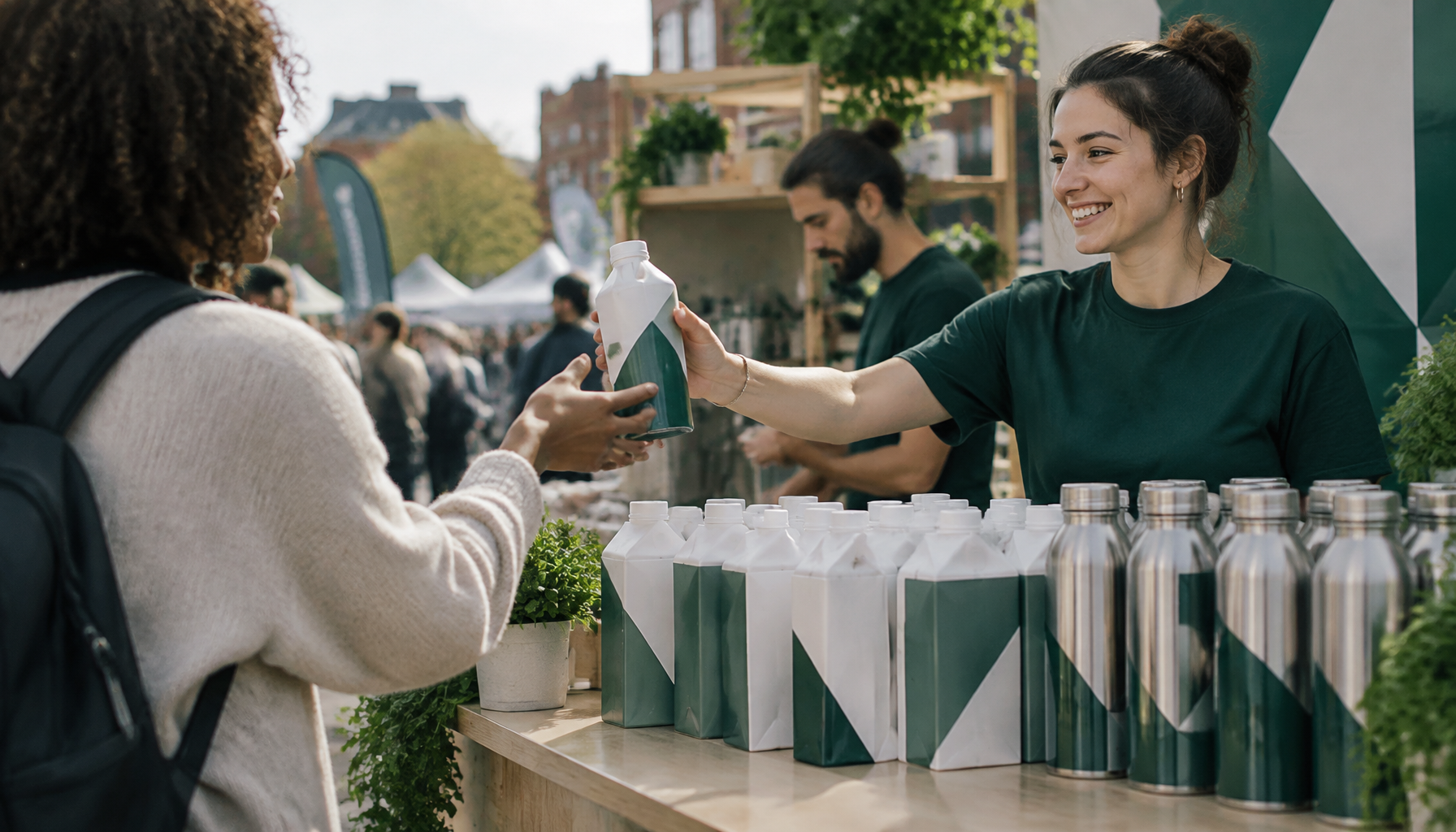
Paper-based cartons are unique. They're unexpected. They stand out. When you're at an event, or in the store, a water carton with a message is novel. It's a surprise. People remember surprises. In a world filled with digital ads, paper feels fresh. It’s a break from the ordinary. This difference boosts recall. People remember what’s different. And they appreciate utility. A water carton is useful. It refreshes. It hydrates. It becomes memorable.
Building Loyal Connections
Utility builds loyalty. It's simple. When a brand provides something useful, people appreciate it. A water carton does this. It solves a problem. It quenches thirst. While doing so, it communicates a message.
Paper cartons offer a unique touchpoint. They provide extended exposure. This is critical in brand recall. As people consume the product, they are exposed to the brand and message repeatedly. This repetitive exposure is key. It’s not just about seeing the brand. It’s about interacting with it over time. This ongoing interaction fosters a connection.
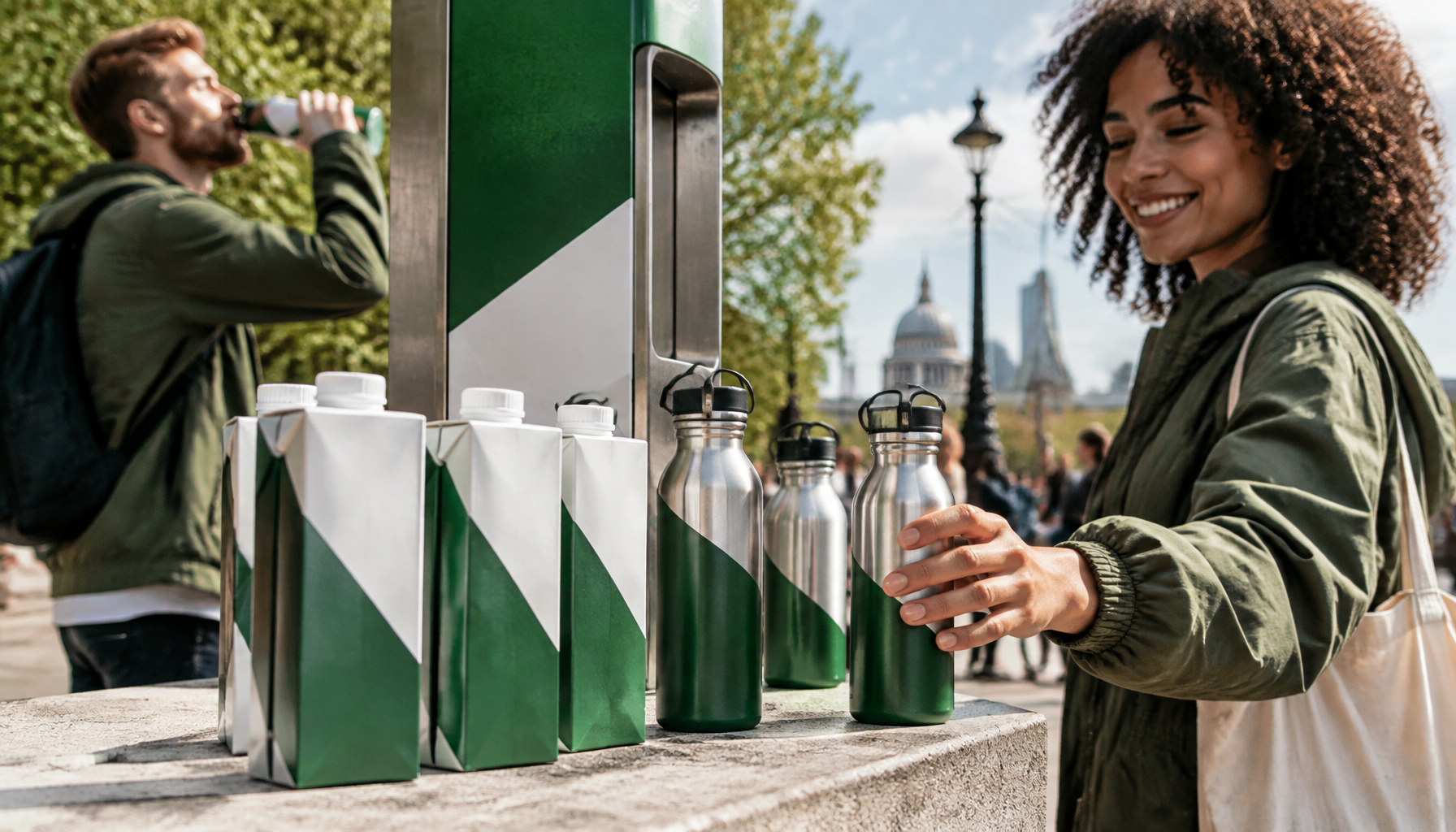
also, eco-conscious consumers value sustainability. They notice when brands operate responsibly. Paper cartons are often recyclable. They resonate with eco-friendly values. This alignment strengthens brand loyalty. Consumers are more likely to support brands that share their values. Paper cartons, therefore, not only capture attention but also build lasting relationships.
- Physical interaction: Paper engages the senses.
- Ad differentiation: Paper stands out from digital noise.
- Utility and recall: Useful items stay memorable.
- Sustainability: Eco-friendly choices build loyalty.
In a world crowded with digital messages, paper-based water cartons offer a fresh approach. They create memorable experiences by combining utility with brand messaging. This strategy leads to higher brand recall and stronger consumer connections.
UK Regulatory & Legal Framework for Public Water Access
Public hydration access across the United Kingdom operates within a fragmented statutory environment. Under The Licensing Act 2003 (Mandatory Licensing Conditions) Order 2014, licensed on-trade premises such as pubs, bars, and restaurants are legally required to provide free potable tap water to customers where reasonably available. However, because this legal mandate applies exclusively to paying or recognized patrons, it inadvertently establishes an exclusionary “pay-to-function” commercial barrier for the broader public navigating high streets, public transport corridors, and town centres.
According to nationwide behavioral data published by Refill UK and the City to Sea campaign, over 71% of UK consumers feel acute psychological stigma and social hesitation when requesting free tap water in commercial venues without making a purchase. Furthermore, under the Water Industry Act 1991 (Sections 181 and 182) and guidance from the Drinking Water Inspectorate (DWI), municipal local authorities bear no statutory duty to install or maintain public outdoor drinking fountains. Faced with severe budgetary deficits, local councils frequently decommission municipal water fountains due to winter freezing liabilities, pipework deterioration, legionella testing requirements, and anti-social behavior risks.
Hydration Channel & Economic Footfall Comparison
To examine why conventional public infrastructure struggles to provide reliable, stigma-free hydration across UK urban centres, we compare the primary access channels across physical accessibility, consumer friction, and municipal maintenance:
| Hydration Channel | Accessibility / Cost | Stigma Level | Maintenance Burden |
|---|---|---|---|
| Commercial Venues (Cafes/Pubs) | “Pay-to-function” barrier (£2.50–£4.50 purchase barrier) | High (71% social hesitation) | Low (Customer-funded hospitality staff) |
| Municipal Fountains | Free, but high freeze, lead-pipe & vandalism risk | Low | High Council Maintenance & Winter Shutdowns |
| FreeeWater Faith / Community Mesh | 100% Free, Heated, Staffed & Welcoming | Zero Stigma (Open-Door Civic Hospitality) | Community-Partnered & Sponsor-Funded |
Civic Infrastructure Topology & Community Mesh Flow
The FreeeWater community mesh leverages existing civic architecture, faith institutions, municipal libraries, and community hubs to distribute free hydration with zero taxpayer expenditure. By situating sustainable paper-carton dispensers directly inside community warm spaces, the network solves both physical access constraints and social stigma.
[ Local Resident / Passerby ] ──► [ Faith / Community Hub ] ──► [ FreeeWater Dispenser ]
│ │
▼ ▼
[ Warm Space & Dignity ] [ Zero Plastic Waste ]
Operational Lifecycle & Verified Environmental Impact
Civic hydration initiatives often falter during operational scaling due to plumbing maintenance overheads and regulatory water safety compliance. When traditional outdoor fountains freeze or become contaminated, local councils face months of procurement delays. The FreeeWater ecosystem bypasses centralized utility gridlocks by supplying pre-packaged, hermetically sealed paperboard cartons directly to verified distribution hubs.
Every FreeeWater unit is packaged in FSC-certified paperboard laminated with a thin plant-based barrier, generating 64% fewer greenhouse gas emissions across its lifecycle than standard virgin PET bottles. Ethical brand partners sponsor the outer packaging canvas, turning essential public utility into a high-recall communication channel. In turn, 10p from every distributed carton is transferred directly to the Feed and Flow Foundation to build permanent clean water infrastructure globally.

Oliver Green
Verified AuthorLead Technical Writer & Civic Hydration Specialist • FreeeWater Impact Research
Lead technical writer and community infrastructure analyst at FreeeWater. Researching civic hydration accessibility, UK water regulatory policy, circular packaging lifecycle analysis, and community-driven utility models.
Explore Related Hydration Dispatches
Continue reading connected technical guides and community case studies.

How Freee Water Can Address Urban Water Deserts While Boosting Brand Visibility.
Understanding Urban Water Deserts Urban water deserts are pockets within cities where access to clean drinking...

The Only Ad People Don’t Hate: Why Carton Sponsorship Gets Real Brand Love
Advertising Most advertising is tolerated at best. People scroll past it, ignore it, block it, complain about ...

Theme Parks and Family Attractions Sell Water Like Popcorn: The Captive Day-Out Markup
Family attractions run on captive economics. Once you’re inside, leaving is hard, time is expensive, and kids ...